

KEY POINTS
- The goal of FAAN cargo reforms is to increase Nigeria’s non-oil exports.
- In May 2025, the Lagos domestic cargo terminal opened.
- Analysts say that traffic data should back up ambitions to grow.
The Federal Airports Authority of Nigeria is leading major changes to air cargo that would help Nigeria increase its non-oil exports. Policymakers are trying to overcome long-standing gaps in logistics between farmers and overseas markets.
A separate Cargo Development Directorate, set up by Aviation Minister Festus Keyamo in December 2024, is at the heart of the plan. The unit’s job is to improve the infrastructure for freight, make it easier for different agencies to work together, and make it easier to collect money in the aviation value chain.
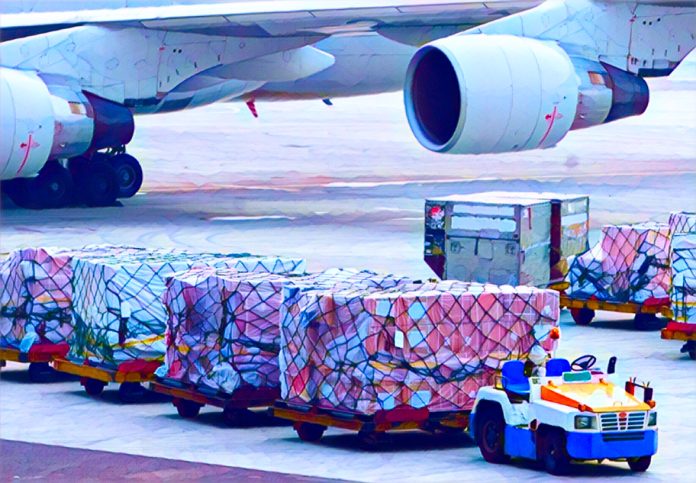
For many years, Nigeria’s aviation industry has focused mainly on passenger traffic and neglected freight operations. Through the FAAN cargo reforms, authorities aim to transform airports into logistics hubs that can support agricultural exports, particularly products that require cold-chain systems and rapid transportation.
Changes to FAAN Cargo and Infrastructure
In May 2025, FAAN built a domestic cargo terminal at the General Aviation Terminal in Lagos to make it easier to handle cargo and cut down on delays. The government wants to build similar facilities in Abuja and Kano to create a national cargo network.
After 15 years, direct cargo revenue collection at the Murtala Muhammed International Airport will start up again as part of the changes. While Officials argue that this will stop leaks and make things more clear. The industry didn’t like the idea of raising the price from N7 to N25 per kilogram, so they decided on a compromise rate of N15 per kg.
Furthermore, Alex Nwuba, an expert in aviation, said that the bigger goal is to take Nigeria from fourth to first place in Africa’s freight rankings. He talked about a report from the Aviacargo Committee that said that broken airport operations and slow export processes were holding back expansion.
Nwuba also said that poor logistics cause up to 80 percent of farm products to be lost between farms and airports. This shows how important it is to have integrated cold-chain and inspection systems.
Concerns about viability and data
Some people doubt that the amount of traffic justifies the amount of money spent. John Ojikutu, an aviation analyst, claimed that Nigeria’s annual cargo throughput has been about 200,000 tonnes for the past ten years. He therefore called for clear statistics before further money is spent.
He said that if volumes don’t go up, rising shipping duties could make exports less competitive. Ojikutu also suggested giving cargo terminals to private companies to make them more efficient and lessen the burden on the government.
In addition, the FAAN cargo reforms fit with the federal government’s aim to make the economy less dependent on oil. But experts warn that long-term success will depend not just on new terminals and higher fees, but also on quantifiable export growth, reliable traffic data, and a stable macroeconomic environment.

