

KEY POINTS
- UNICAL suspends nine students for exam cheating and result forgery
- Five caught cheating in exams, four submitted forged admission results
- Two-session suspension takes effect from 2024/2025 academic year
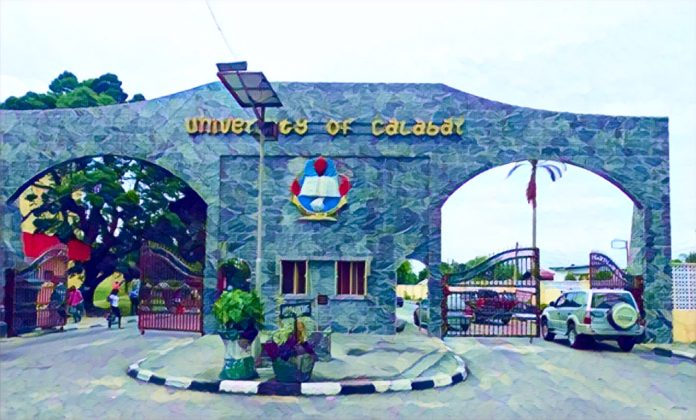
The university suspended the students following a formal review of cases handled by two internal bodies: the Ad-Hoc Senate Committee on Examination Malpractice and the Senate Students’ Disciplinary Committee. The decision was reached at UNICAL’s 252nd Senate meeting, and the details were made public in a statement issued by the institution’s Registrar, Dr. Chukwuka Icha.
Of the nine students, five were found to have cheated during examinations. The remaining four had a different problem entirely: they submitted forged results to the university, a finding that points to misconduct that began not during a test, but during the admission process itself.
“After reviewing the reports and recommendations of the committees, management resolved to suspend the affected students for two academic sessions,” Icha said in the statement. “The suspension will take effect from the 2024/2025 academic year.”
The Students Named, the Departments Hit Hard
The Pharmacy department bore the brunt of the suspensions, with five of the nine affected students coming from that faculty alone.
Those named in the suspension order include Akwuba Enestina, 300 Level, Pharmacy; Udom Iboro, 300 Level, Pharmacy; Nwankwo Daniel, 200 Level, Pharmacy; Ore Israel, 500 Level, Pharmacy; and Chisom Ejafa, 500 Level, Pharmacy.
The remaining four are Lazarus Ebogo of the Department of Home Economics; Ele Godwin of the Department of Zoology; Ofem Patrick of the Department of Science Laboratory Technology; and Makailu Pamilo of the Department of Linguistics and Communication Studies.
To ensure the suspensions hold, the university directed heads of departments, deans of the affected faculties, and the institution’s Acting Chief Security Officer to enforce full compliance with the order.
UNICAL’s Action Mirrors a Broader Trend Across Nigerian Campuses
The Calabar suspensions come just days after another Nigerian university made a similar, though harsher, move. The University of Abuja in February approved the expulsion of 28 students over a range of offences including assault, conspiracy, burglary, theft, falsification of O’Level results on the university’s admission portal, and possession and use of hard drugs.
UNICAL itself is no stranger to integrity issues involving examination conduct. In October 2024, the institution suspended Joseph Akpan, then head of the Pharmacology Department, after he allegedly tampered with 235 of 242 examination scripts in a course on antimicrobial pharmacology. The vice chancellor at the time, Prof. Florence Obi, said Akpan had admitted to inflating scores before the Senate Examination Misconduct Committee, claiming he did it to protect the department’s image.
That case and the latest batch of student suspensions signal that UNICAL’s Senate committees have been active, processing a backlog of integrity violations that the institution appears determined to address on the record.
Academic integrity enforcement in Nigerian universities has further drawn renewed attention as institutions grapple with what education researchers describe as deeply entrenched culture of exam-related misconduct, fueled by pressure to secure admission, retain scholarships, and graduate with competitive grades in an increasingly difficult economic environment.

