

KEY POINTS
- Tinubu urges media to scrutinise states and local governments, not just the presidency.
- He says no state is currently borrowing to meet workers’ salary obligations.
- President admits he was “a little stubborn” early in his administration over press criticism.
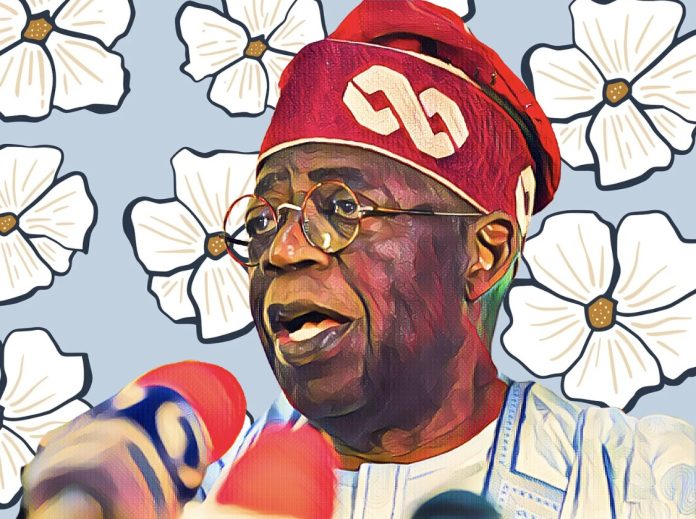
President Bola Tinubu used a Ramadan Iftar dinner with media executives Friday night to make an argument his administration has been pushing for months: that with greater financial autonomy comes greater accountability, and the press should be pointing its cameras downward, not just at Aso Rock.
No state borrowing to pay salaries, he claims
Tinubu media accountability states was the central thread of his remarks to proprietors and executives drawn from print, television, radio and digital outlets at the Presidential Villa. “We’ve opened up the principle of federalism to the extent that local governments are now getting their money. But how they use it is in your hand, so don’t bombard me alone,” he said. “Look at local government too, and equally, the sub-national.”
He cited the Supreme Court’s July 2024 ruling that granted fiscal autonomy to local governments as a structural shift that transferred real responsibility to those tiers of government. The administration also pointed to improved allocations flowing from higher crude production, better revenue collection under the renamed National Revenue Service, and the direct disbursement of local government funds.
Tinubu repeated a claim he made earlier in the week at an interfaith gathering: that no Nigerian state was currently borrowing to cover workers’ wages, a situation that had historically embarrassed governors and required federal bailouts during oil revenue downturns.
“Today, there is no state that is borrowing to pay salaries of employees. Yes, we can complain it’s not enough,” he said, acknowledging that improvement and sufficiency are two different things.
A candid word on the press
The most personal stretch of the evening came when Tinubu reflected on how he handled early media criticism. He admitted he was stubborn in those first months, bruised by the relentless negative commentary as he pushed through the petrol subsidy removal and currency reforms. But he reframed that pressure as useful.
“You didn’t spare me, but you challenged me, provoked that intellectual curiosity of a leader that must perform,” he told the executives. He also revealed that reading newspapers is a daily compulsion. “There is no morning that I ever leave my house without going through the newspapers. It’s an addiction,” he said. On the subsidy removal, Tinubu was unapologetic. Nigeria, he argued, was on the edge of bankruptcy in May 2023 and the decision, however painful, was unavoidable.
The Tinubu media accountability states message closed with a pledge to look into tariff concerns raised by media organisations earlier that day, and a broader call for the press and the presidency to treat each other as partners in the national project rather than adversaries.

