

KEY POINTS
- Rabiu’s net worth climbed $4.47 billion to $14.6 billion, making him Africa’s third wealthiest person.
- BUA Group revenue rose to N1.18 trillion in 2025, up from N876 billion the previous year.
- New deals cover cement production, rice processing, animal feed, and a 400,000 metric tonne pasta expansion.
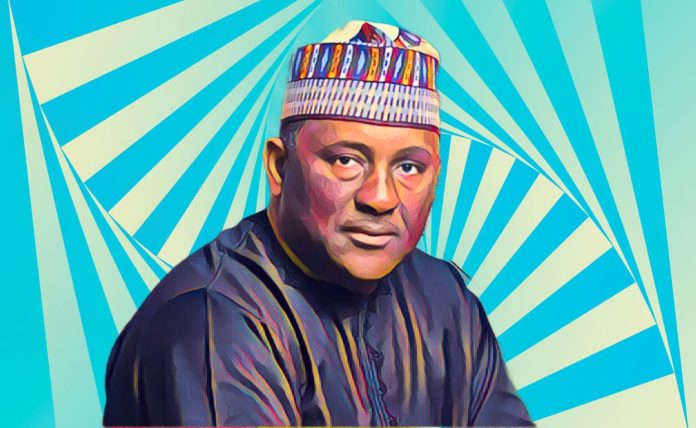
Abdul Samad Rabiu has added $4.47 billion to his fortune in the first quarter of 2026 alone, with the Bloomberg Billionaires Index now valuing the BUA Group chairman at $14.6 billion and ranking him third among Africa’s wealthiest individuals and 197th globally.
The Abdul Samad Rabiu net worth surge tracks directly to the industrial performance of his core businesses. BUA Group revenue climbed to N1.18 trillion in 2025 from N876 billion the year before, driven by elevated demand in Nigeria’s building and infrastructure sectors. Furthermore, a sustained housing deficit kept cement order volumes consistently high throughout the year, giving the group a reliable earnings base on which Rabiu has moved quickly to build.
Cement capacity targets 20 million tonnes
At the start of 2026, Rabiu held a net worth of $10.4 billion and ranked fifth in Africa. However, by early February, his year-to-date gains had already crossed $1 billion, and he overtook Egypt’s Naguib Sawiris in the continental rankings. The speed of that ascent underscored how decisively BUA Group’s diversified industrial model resonated with investors during a period of heightened economic activity in Nigeria.
The expansion plans underpinning the Abdul Samad Rabiu net worth story are substantial and specific. In January 2026, Rabiu met with CBMI Construction Limited of China to discuss a new manufacturing line in northern Nigeria that would push BUA Cement’s annual output capacity to nearly 20 million tonnes, reinforcing its position as one of the continent’s largest cement producers. Additionally, government-backed construction activity has continued to provide a structural demand floor that supports long-term investment in that capacity.
Food sector deals add breadth to the empire
Beyond cement, Rabiu has moved aggressively in food manufacturing to reduce Nigeria’s dependence on imports. BUA Foods recently signed an agreement with Buhler for a rice processing plant with a capacity of 32 tonnes per hour. Moreover, a partnership with Viteral Integrated Milling Systems of Turkey will deliver an animal feed mill in Kano State, scheduled for completion in mid-2027, in a region that already sits at the heart of Nigeria’s primary grain-producing belt. A separate contract with Italian firm FAVA will add 400,000 metric tonnes of pasta production capacity to the group’s portfolio.
According to Billionaires Africa, taken together, these deals reflect a consistent strategic logic. Nigeria currently spends billions of dollars annually importing food and construction materials that BUA Group is systematically positioning itself to supply domestically. Analysts expect the momentum to continue as the group’s new facilities come online through 2027 and the import substitution thesis translates into market share gains across multiple categories.

