

KEY POINTS
- Kano Deputy Governor Aminu Abdulsalam Gwarzo resigned following tensions and misconduct allegations from the State House of Assembly.
- Lawmakers had begun moves toward disciplinary action, raising fears of a political crisis in the state government.
- The resignation comes amid wider restructuring after Governor Abba Yusuf’s defection and administrative shake-up.
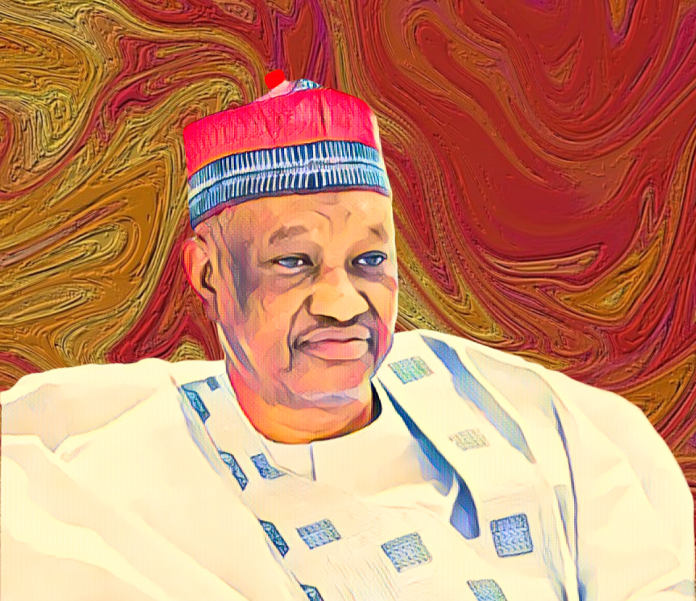
Kano State Deputy Governor, Aminu Abdulsalam Gwarzo, has resigned from office, bringing to an end days of speculation surrounding his political future and growing tensions between him and the Kano State House of Assembly.
The resignation was confirmed by his spokesperson, Ibrahim Shuaibu, who disclosed that Gwarzo had formally communicated his decision to step down from the position.
The development follows mounting pressure from lawmakers who had raised allegations of misconduct and questioned aspects of his official responsibilities.
The Kano State House of Assembly had earlier initiated moves that could have led to disciplinary action against the deputy governor. The lawmakers’ actions fueled concerns about a looming political crisis within the state’s executive arm, particularly as relations between the legislature and the deputy governor appeared to deteriorate.
Sources within the Assembly indicated that the allegations bordered on issues relating to administrative conduct and performance of official duties.
While details of the claims were not fully disclosed, the situation created heightened political tension and uncertainty within the state government.
Gwarzo’s resignation comes amid broader political realignments in Kano State following Governor Abba Yusuf’s recent defection to the All Progressives Congress.
The governor’s move triggered significant shifts in the state’s political landscape and set the stage for a series of administrative changes.
In the aftermath of the defection, the governor began restructuring key areas of government, including the removal of the Head of Service and the dismissal of the Commissioner for Investment, Commerce and Industry. The actions were described as part of efforts to reposition the civil service and strengthen governance in the state.
The deputy governor’s exit is expected to further reshape Kano’s political configuration, with attention now turning to who will be nominated as replacement and how the Assembly and executive arm will recalibrate their relationship.
Political observers say the development underscores the ongoing realignment within the state government and signals potential additional changes as the administration consolidates its new direction.

