

KEY POINTS
- Lagos Environment and Water Resources Commissioner Tokunbo Wahab says the state has deployed 1,710 functioning public toilets and wants filling stations, banks, eateries and other businesses to open their restrooms to the general public.
- The state government is pairing the infrastructure push with arrests and prosecutions, having taken more than 8,000 residents to court over environmental offences in the past year alone.
- Lagos is targeting an open defecation-free status by 2030, in line with national targets, but has publicly acknowledged that government cannot achieve the goal without active participation from businesses and residents.
The Lagos State Government is calling on filling stations, banks, eateries and other businesses to open their restrooms to members of the public, framing private sector participation as essential to its campaign to eliminate open defecation across the megacity.
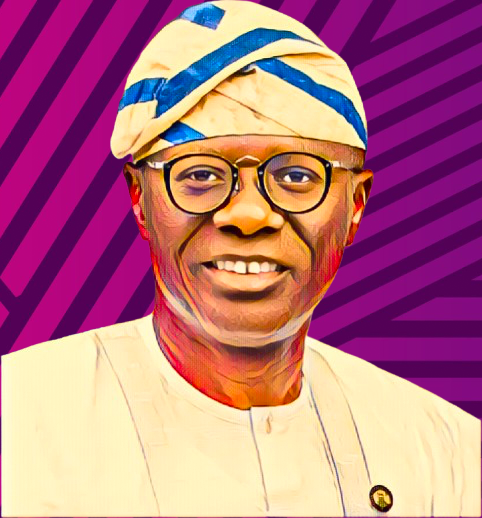
Environment and Water Resources Commissioner Tokunbo Wahab announced the push Saturday in a post on X, where he disclosed that the state currently has 1,710 functioning public toilets strategically distributed for residents and visitors. That number, while significant, amounts to roughly one government-installed toilet per 14,000 Lagos residents, and Wahab said it was not enough on its own.
“Government cannot do this alone,” Wahab said. “We are encouraging businesses such as filling stations, banks, eateries and other public-facing facilities to make their restrooms accessible to the public where possible. This collaborative approach will significantly complement government efforts and expand access to sanitation facilities across the state.”
Enforcement is already running
Lagos is not waiting on goodwill alone. The state has been running a parallel enforcement track, arresting and prosecuting residents caught defecating in open spaces. More than 8,000 residents were prosecuted in the past year for environmental infractions including open defecation, according to Wahab. Officers have been deployed across the state, with hotspots including Lagos Island, the Berger area and Oshodi seeing concentrated enforcement activity.
Wahab said individuals caught in violation are being arrested and taken before the courts. “Individuals caught engaging in open defecation are being arrested and prosecuted in accordance with the law,” his statement read.
The infrastructure picture
Beyond the 1,710 government-owned toilets, petrol and gas stations account for roughly 3,000 additional toilet facilities, and another 150 have been installed in markets across the state, bringing the broader total into the thousands when private sector stock is included.
The state has also approved construction of additional units and has been working with international development partners, including UNICEF, USAID and WaterAid Nigeria, to expand sanitation infrastructure in densely populated areas, schools and markets.
Wahab has cited Berger as a case study where enforcement made a measurable difference. According to him, even with modern toilet facilities available in the area, some residents continued defecating along the Lagos-Ogun boundary until arrests began and compliance improved sharply.
The 2030 deadline
Saturday’s announcement is part of a longer-running push. Lagos has committed to becoming open defecation-free by 2030, a target that aligns with national goals and mirrors commitments made at the state’s World Toilet Day events in recent years.
Wahab was direct about the limits of what government can deliver alone. While the state continues to expand infrastructure, he said residents and businesses must also take responsibility.
“These measures are necessary to protect public health, preserve dignity and maintain a cleaner environment for all,” he said. “While government continues to expand infrastructure, residents and businesses must also play their part in ensuring Lagos remains clean, safe and habitable.”
The commissioner described access to sanitation as a shared responsibility, a framing that signals the state intends to keep the pressure on the private sector to open facilities that already exist, even as it builds new ones.

