

KEY POINTS
- African nations including Tanzania, Botswana and Nigeria are threatening retaliatory action against South Africa over fresh xenophobic attacks.
- Tanzania’s President Samia Suluhu issued a 48-hour ultimatum for South African citizens to leave or face deportation.
- More than 118 Nigerians have reportedly been killed in xenophobic incidents between 2015 and 2026.
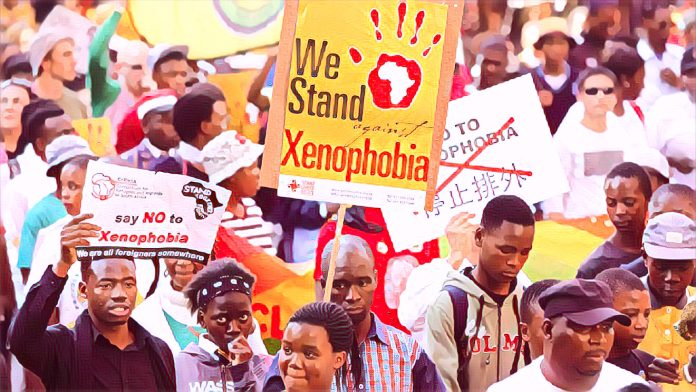
Diplomatic pressure on South Africa is mounting as more African countries threaten retaliatory measures over a fresh wave of xenophobic attacks targeting foreign nationals, particularly Nigerians. Analysts call it the most serious diplomatic fallout the continent has seen since the end of apartheid.
While no government has officially announced a total border closure, threats of blockades, trade suspensions and heightened security checks are gaining traction across the region. The latest wave of violence erupted between April 27 and 29, 2026, in Pretoria, Johannesburg and other cities.
Tanzania moves first after South Africa xenophobia
Specifically, Tanzanian President Samia Suluhu has emerged as one of the most vocal critics of Pretoria’s response. Social media reports indicate she issued a 48-hour ultimatum for South African citizens to leave Tanzania or face forced deportation.
Furthermore, Suluhu ordered the immediate suspension of all air and maritime trade between the two countries. In a stern address, she accused South Africa of forgetting the support it received during the struggle for independence.
“Our children are being humiliated in a country that once sheltered exiles who fought against apartheid,” Suluhu said.
Notably, Botswana is also taking a hard line. President Duma Boko’s government may seal its land border and restrict electricity supply to parts of South Africa, a clear use of economic leverage in response to what Gaborone described as sustained hostility toward Botswana nationals.
“We stood with you during your fight against oppression. Today, our citizens are humiliated,” Boko said in a televised address.
Nigeria, Ghana lead West African pushback
Meanwhile, Nigeria and Ghana have led the West African diplomatic response. The Nigerian government summoned South Africa’s High Commissioner Monday and demanded concrete action to protect Nigerian lives and property.
Specifically, Abuja has begun arrangements for voluntary repatriation. As of May 3, 130 Nigerians had registered with the Nigerian mission in South Africa for evacuation flights, with officials expecting that number to rise ahead of another demonstration on May 4 to 8.
Additionally, Ghana’s Foreign Affairs Ministry summoned South Africa’s acting high commissioner Thando Dalamba to protest the harassment of Ghanaian citizens. The move came after viral videos showed a vigilante group confronting a Ghanaian man in KwaZulu-Natal.
Mozambique is reportedly considering restrictions at the Ressano Garcia border, where South African trucks and citizens could face entry bans in retaliation for the attacks. The border is a major trade corridor, and any disruption could hit both economies hard.
A grim historical baseline
Crucially, the threats land against a grim backdrop. Xenophobic incidents have reportedly killed more than 118 Nigerians between 2015 and 2026. Abuja insists rhetoric must now translate into action.
“Nigerian lives and businesses must not continue to be put at risk,” Kimiebi Ebienfa, spokesperson of the Ministry of Foreign Affairs, said.
South African authorities have condemned the attacks as criminal and unlawful, with President Cyril Ramaphosa saying no one has the right to take the law into their own hands. However, with multiple African capitals now flexing real economic and diplomatic muscle, Ramaphosa’s words alone are unlikely to defuse the pressure. Pretoria’s next moves will determine whether the region’s biggest economy can hold its leadership role intact.

