

KEY POINTS
- The Nigerian Army says some civilians, transport networks and cattle markets are aiding Boko Haram operations in the North-East.
- Troops reportedly intercepted over 400 Starlink communication devices allegedly linked to terrorist activities.
- The military says terrorists exploit local collaboration and difficult terrain to move food, logistics and supplies undetected.
The Nigerian Army has raised concerns over the role some civilians, transport operators and cattle markets in the North-East are allegedly playing in supporting Boko Haram terrorists.
According to the military, Boko Haram insurgents continue to receive food supplies, logistics materials, communication gadgets and motorcycle spare parts through local networks operating within affected communities.
The army also disclosed that troops had intercepted and recovered more than 400 Starlink satellite communication devices allegedly connected to Boko Haram terrorist activities in the region.
Army Blames Civilian Collaboration for Terrorists’ Survival
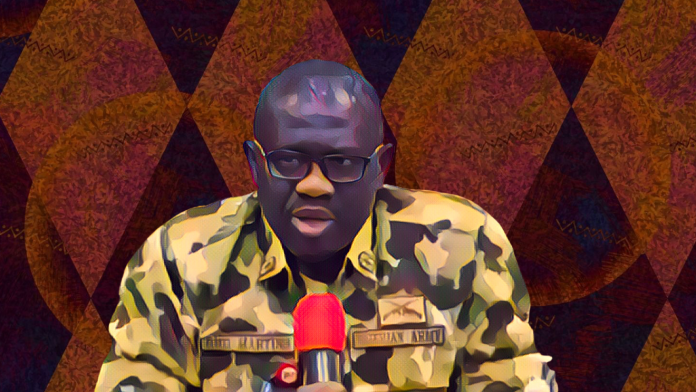
The Commander of Sector 2, Operation HADIN KAI, Brigadier General Beyidi Martins, revealed this during an interview on ongoing counterterrorism operations in the North-East.
Martins said Boko Haram and other terrorist groups have been able to sustain their operations partly because of collaboration with some members of the civilian population.
According to him, while some residents willingly assist the insurgents, others are forced to cooperate due to threats and intimidation from the terrorists.
The senior military officer explained that the nature of the conflict and the difficult terrain in the North-East have made it easier for terrorists to hide among civilians and move supplies across communities without attracting suspicion.
He noted that food items, motorcycle parts and other logistics materials are often transported to insurgents through civilian channels, making it difficult for security forces to completely cut off their supply routes.
Martins added that there is what he described as a “high level of collusion” between some civilians and terrorist groups operating in the region.

