

KEY POINTS
- Insurers will not pay claims to policyholders who missed the April 30 NIN linkage deadline.
- The industry plans a Nigerian mortality table by end of June 2026.
- Only five of 12 registered insurers are active with the credit bureau.
Nigerian insurers will stop paying claims to policyholders who failed to link their National Identity Number to their policies before the April 30 deadline. The Insurers Committee confirmed the tougher stance after a meeting in Lagos. Moreover, it said the NIN linkage rule now applies right across the industry.
What the NIN linkage rule means
Ebelechukwu Nwachukwu, who heads the committee’s publicity arm, said the deadline had passed and enforcement had begun. Specifically, she warned that the industry would reject any claim from a person or company whose NIN remains unlinked. “No claims will be paid to any organization or individual whose NIN has not been updated,” she said.
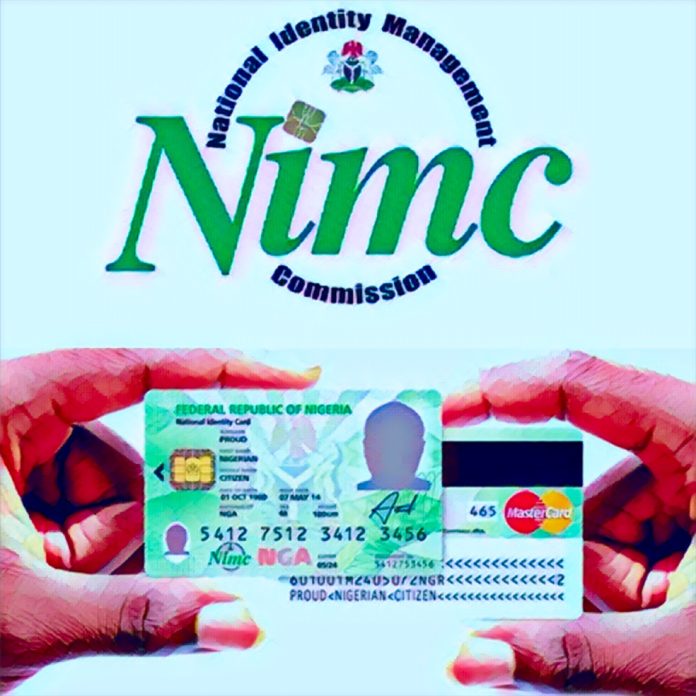
The National Identity Management Commission issues the NIN, a unique number that identifies each citizen and resident. Regulators increasingly use it to verify customers and curb fraud, and the government has steadily tied it to SIM cards, bank accounts and tax records. Now, the NIN linkage requirement reaches insurance too. Therefore, policyholders who ignored the directive risk losing cover they have already paid for. However, affected customers can likely restore that cover by updating their NIN with their insurer. Millions of Nigerians hold motor, life and health policies, so the enforcement could touch a wide pool of customers. Industry watchers say cleaner, NIN-verified records should also curb fraudulent claims over time.
A new mortality table
Nwachukwu said the industry is also building a Nigerian experience mortality table to sharpen how insurers price risk. According to her, the table would rest on local data rather than foreign assumptions, improving actuarial standards. Nigerian insurers have long leaned on foreign mortality tables, so a homegrown version could price life cover far more accurately. Additionally, she said insurers aim to launch it by the end of June 2026.
The timeline, however, may slip. Indeed, Nwachukwu said the committee had given itself a two-month buffer in case it still needs more data. Consequently, the launch could stretch into the third quarter if collection lags.
Insurance and the credit push
The committee also turned to credit. Specifically, Nwachukwu said the industry would set up a panel to work with the National Credit Guarantee Company of Nigeria, defining how insurance can support the country’s young credit culture. Meanwhile, she said the effort should widen credit access for small businesses, individuals and larger firms.
Progress there looks slow, though. So far, only 12 insurers have registered with the Nigerian Credit Bureau Limited, and just five remain active. Therefore, the sector still has ground to cover before insurance plays a real role in lending. A working credit culture depends on reliable data, which the NIN is meant to supply. Together, the three moves signal an industry trying to modernize even as enforcement bites.

