

Key points
- Fewer than 300 psychiatrists serve Nigeria’s population of over 200 million people
- Mental health gets less than 3.5 percent of Nigeria’s health budget, with most funds going to hospitals only
- A 2022 Mental Health Act exists but remains largely unimplemented due to poor funding and lack of trained staff
Nigeria is facing a serious mental health crisis, with fewer than 300 psychiatrists available to care for a population of more than 200 million people, a leading psychiatry expert has warned.
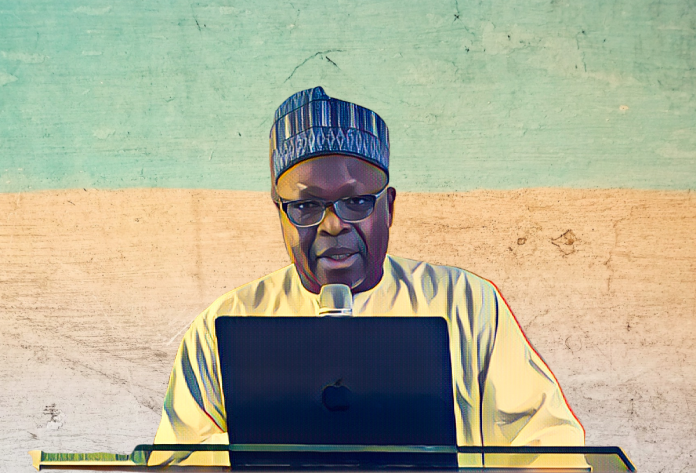
Prof. Taiwo Lateef Sheikh, a professor of psychiatry at Ahmadu Bello University in Zaria and a member of the Advisory Committee to the Africa Centres for Disease Control and Prevention, made the warning at the Mental Health Leadership and Advocacy Public Lecture.
He called on the government to quickly put the country’s Mental Health Act into full practice and provide the money, staff and systems needed to make it work.
Mental health services are out of reach for most Nigerians
Sheikh said the problem goes beyond the shortage of psychiatrists. Nigeria also lacks enough psychologists, psychiatric nurses and other mental health workers. Even the few trained psychiatric nurses available are sometimes moved to other duties because many health facilities do not have working mental health units.
Most mental health services, he said, are based in large federal hospitals located in state capitals, making them hard to reach for people in smaller towns and rural areas.
Though mental health is supposed to be part of primary healthcare in Nigeria, it is almost never available at local health centers where most Nigerians seek care.
Funding makes the problem worse. Mental health receives less than 3.5 percent of Nigeria’s health budget, and more than 90 percent of that small amount goes to hospitals rather than communities. Sheikh said this approach cannot work if the goal is to give all Nigerians access to healthcare.
“The treatment gap is about demand versus supply. Demand is all over, but barriers restrict access,” he said.
Government must act on 2022 Mental Health Act now
Nigeria passed a Mental Health Act in December 2022, replacing laws that dated back to colonial times and focused more on locking people away than treating them. Sheikh called the new law a major step forward but warned that it means nothing without proper funding and real action on the ground.
He urged the government to move mental health services closer to where people live, train local health workers to handle common conditions like depression, and make sure patients leaving psychiatric hospitals are connected to follow-up care in their communities. He described this as the “no discharge to nowhere” principle.
“Seventy percent of mental health problems can be treated by trained doctors, nurses and primary health workers with adequate supervision and support,” Sheikh said.
Also speaking at the event, Prof. Oye Gureje, an emeritus professor of psychiatry at the University of Ibadan, stressed that strong leadership and steady advocacy are key to fixing Nigeria’s mental health system.
Dr. Mohammed Abdulaziz of Africa CDC added that African governments must replace old laws that treat mental illness as a shame rather than a health issue, and build systems that protect the rights of patients.
Sheikh warned that ignoring mental health will hurt Nigeria’s economy and hold back its development, urging the government to treat mental healthcare as a national priority rather than a side issue.

