

KEY POINTS
- CAPPA warns a Lagos water concession and prepaid meters could deepen hardship and limit affordable access.
- The warning follows a one-year MoU with China Harbour Engineering and Naston to scope a Lekki water programme.
- The group demanded the MoU’s publication, a halt to the concession and suspension of prepaid metering.
Corporate Accountability and Public Participation Africa has warned that plans to concession parts of Lagos’s public water system, alongside a rollout of prepaid meters, could deepen hardship for residents and erode access to affordable water.
The advocacy group raised the alarm after the state signed a one-year memorandum of understanding with China Harbour Engineering Company and Naston Engineering to scope a water programme within the Lekki Concession Area.
Transparency and access concerns
According to CAPPA, the first phase would lay a transmission pipeline beneath the Lagos Lagoon, while the second would cover distribution, metering and last-mile connections. Moreover, the engagement should produce a technical report and framework for a possible concession deal between the state and the consortium.
Still, the group faulted the secrecy around the process, saying no public record shows the project’s scope, how officials picked the consortium or how residents took part. Furthermore, CAPPA argued that handing water to private operators could place profit above people, and its water officer, Holiness Segun-Olufemi, said dressing up private control as a rescue amounted to an abdication of responsibility. In her view, Lagos has the revenue to maintain and expand the system itself.
Prepaid meters and privatisation fears
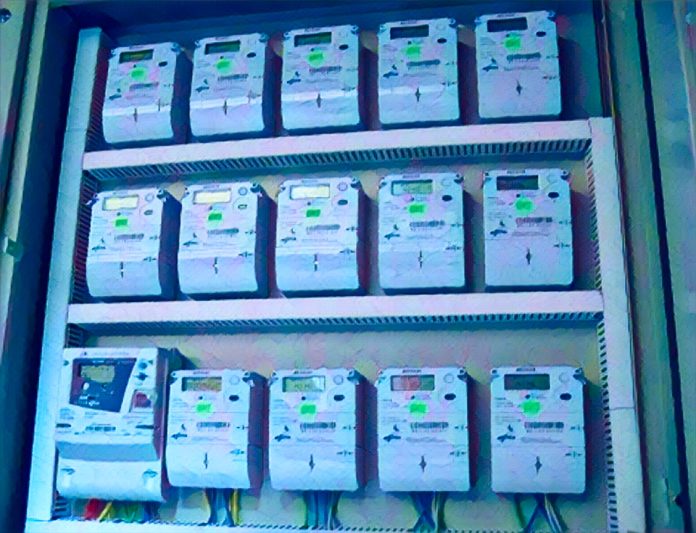
CAPPA also opposed the planned expansion of prepaid water meters, which cut off supply once a household’s credit runs out. Therefore, the group warned that automated disconnections would hit vulnerable and low-income residents hardest, since water is essential to health and sanitation. It cited the Akilo and Baruwa areas, where residents reported intermittent supply, delayed activation of units, low pressure and monthly water bills as high as N60,000.
However, CAPPA drew a parallel with electricity privatisation, arguing that consumers still face rising tariffs, estimated billing and unreliable supply despite the sector’s transfer to private hands. Consequently, it urged Lagos to halt the concession, suspend the meter rollout, publish the MoU and fund the Lagos Water Corporation. Because any deal could bind the state for decades, the group said such investment should expand public capacity rather than open another avenue for private profit.

