

KEY POINTS
-
Nigeria’s 330kV transmission network suffered multiple trippings on Monday, disrupting electricity supply in parts of the country.
-
NISO said the incident was not a nationwide grid collapse and confirmed that normal operations had been restored.
-
The disruption renewed concerns about grid reliability as the government develops a new control centre in Osogbo.
Nigeria’s national electricity grid suffered multiple trippings on its 330-kilovolt (330kV) transmission network on Monday, October 19, 2026, disrupting electricity supply in parts of the country and leaving some areas, including parts of Lagos, without power.
The Nigerian Independent System Operator (NISO) said the incident occurred at about 12:40 p.m. but stressed that it affected only part of the grid and did not result in a total nationwide collapse.
In a statement issued on Monday, NISO said it immediately began corrective measures in collaboration with the Transmission Company of Nigeria (TCN) to stabilise the electricity network and restore normal operations.
The system operator confirmed that restoration efforts had been completed and that the national grid had returned to normal operation.
NISO also urged Nigerians to disregard reports describing the incident as a nationwide grid collapse, insisting that the disruption was limited to a section of the transmission network.
The operator said it remained committed to maintaining grid stability, ensuring reliable electricity transmission and providing accurate updates to the public.
Despite NISO’s assurance that the grid had returned to normal operation, the disruption affected electricity supply in some parts of the country.
Data monitored during the incident indicated a sharp decline in electricity supplied through the national grid, with reports suggesting that several major power generation plants went offline.
Parts of Lagos experienced blackouts, while Ikeja Electric confirmed that low power allocation had contributed to electricity outages in its coverage area.
The disruption once again exposed the effect that disturbances on the transmission network can have on homes, businesses and other electricity consumers, even when the entire grid does not collapse. Monday’s incident comes amid Nigeria’s longstanding struggle with repeated electricity grid failures.
The country recorded two major grid collapses in January 2026. On January 23, electricity generation reportedly dropped to zero megawatts, leaving all 11 electricity distribution companies without power allocation at the time.
A second major disturbance occurred on January 27, when power generation plunged from 3,825 megawatts to just 39 megawatts.
NISO subsequently attributed that incident to a voltage disturbance originating from the Gombe transmission substation, which spread across parts of the electricity network.
By May, government officials and NISO were seeking lasting solutions to the recurring disruptions.
However, the Nigerian Electricity Regulatory Commission later reported that no national grid system disturbance occurred during the second quarter of 2026, covering April to June.
Monday’s incident has renewed concerns about the reliability of the transmission infrastructure and its ability to withstand technical disturbances.
New control centre expected to improve grid monitoring
The latest disruption comes weeks after the Federal Government began constructing a new National Control Centre for NISO in Osogbo, Osun State.
The project is intended to improve real-time monitoring and management of the national electricity grid.
Nigeria’s existing control centre has been in operation for decades, with officials identifying improved monitoring systems, stronger transmission infrastructure and more effective system management as important measures for preventing future disruptions.
A more modern control centre is expected to strengthen the operator’s ability to monitor electricity flows, identify faults and respond to disturbances before they spread across the network.
However, the effectiveness of these improvements will also depend on the condition of transmission infrastructure and the broader reliability of the electricity supply chain.
NISO called on Nigerians to obtain information about the status of the national grid through its official communication channels rather than relying on unverified reports.
Although the operator said normal operations had been restored after Monday’s incident, the disruption highlighted the continuing vulnerability of electricity supply to faults affecting critical transmission infrastructure.
For electricity consumers and businesses, the key concern remains whether ongoing investments and operational improvements will help reduce the frequency and impact of future grid disturbances.

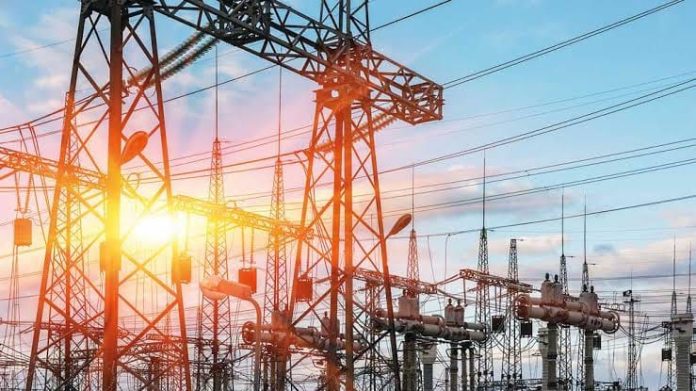
 transmission network on Monday, October 19, 2026)