

KEY POINTS
- Changes that have already been implemented have made investors more positive about Nigeria’s economy.
- FX market turnover rises by 56.4 percent in 2025.
- Government targets 7 percent GDP growth by 2028.
Foreign investors are hopeful about Nigeria’s ambitions to boost its economy. They think that the changes that are happening now, especially the merging of foreign exchange markets, are making things clearer and building trust.
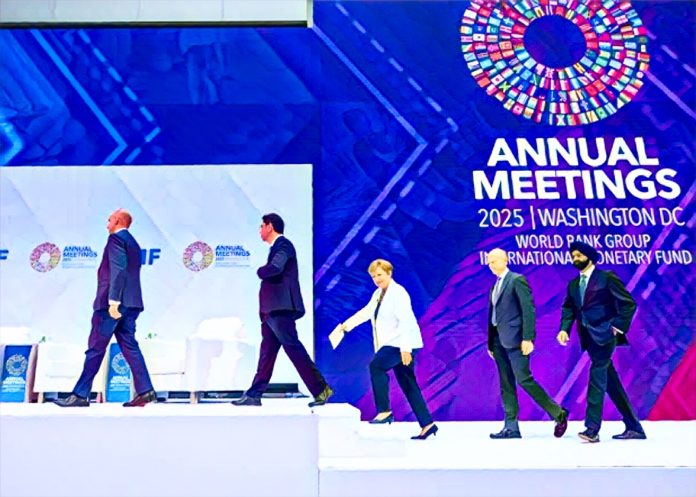
The Nigeria Investors Forum, which took place at the same time as the World Bank and IMF Annual Meetings in Washington, D.C. in 2025, was quite happy with the government’s plans for transformation. They saw them as a sign of new stability and a promise to grow.
Olayemi Cardoso, governor of the central bank and head of Nigeria’s delegation, told investors that the government would reform the economy to open long-term investment opportunities.
He emphasized that Nigeria’s external reserves now stand at $43.4 billion, the highest in five years, underscoring stronger economic fundamentals. “The Central Bank and the Ministry of Finance have been working hand in hand to ensure alignment, stability, and clarity for investors,” Cardoso said.
Economic reforms shaping Nigeria’s growth trajectory
CBN Deputy Governor Mohammed Abdullahi backed Cardoso’s optimism, reporting a 56.4 percent jump in monthly forex market turnover to $8.6 billion in 2025.
“Average net flows between January 2023 and July have doubled,” he further said, attributing the surge to policies improving FX inflows and investor confidence.
Furthermore, Special Adviser to the President on Finance and the Economy, Sanyade Okoli, said the Federal Government aims to achieve 7 percent GDP growth by 2027–2028, driven by economic diversification and infrastructure investment.
“Our dependence on oil exports has dropped to about 57.5 percent in the first half of this year, and oil now accounts for just 4 percent of GDP, down from 8 percent in 2021,” she added.
Minister of State for Finance, Doris Uzoka-Anite, also attended the forum, symbolizing closer cooperation between fiscal and monetary authorities. Her presence also made the administration’s coordinated effort to bring in investment and boost economic growth even stronger.

