
KEY POINTS
- Nigeria’s agribusiness sector is widening, offering at least ten high-potential opportunities for 2025.
- Key growth areas include oil palm processing, feed production, cassava derivatives, aquaculture, beekeeping and greenhouse farming.
- Rising food prices, shifting consumer demand and new technologies are creating space for small and mid-size investors across multiple value chains.
Nigeria’s agribusiness sector is expected to remain one of the country’s most promising frontiers in 2025, as rising food prices, climate pressures and shifting consumer habits push more investors, young people and small producers to look closely at agriculture-linked ventures.
Analysts say the agribusiness sector is quietly broadening, with new value chains emerging far beyond the conventional staples of yam, rice and maize.
Although challenges such as high input costs, insecurity and poor rural infrastructure persist, several areas continue to offer solid commercial prospects for those willing to adapt in agribusiness , collaborate or bring in new technology.
Below is a look at ten agribusiness opportunities increasingly catching attention ahead of 2025, from premium export crops to fast-growing domestic markets.
Below are some of the ten fastest-growing agribusinesses in Nigeria
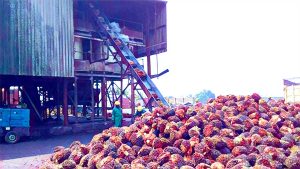
- Oil Palm Processing – Demand for vegetable oils keeps rising, creating room for small and mid-size processors to supply food companies and households.
2. Poultry Feed Production – As feed prices climb, farmers are turning to reliable local mills that can produce quality, affordable feed blends.

3. Cassava Starch and Industrial Derivatives – Breweries, pharmaceutical firms and food processors increasingly prefer domestic starch suppliers to cut import dependence.

4. Aquaculture (Catfish and Tilapia Farming) – Urban markets have steady fish shortages, and smoked fish exports remain a growing niche for small producers.

5. Beekeeping and Honey Processing – Low-cost start-up, high demand, and premium prices for pure, traceable Nigerian honey make this a strong 2025 bet.

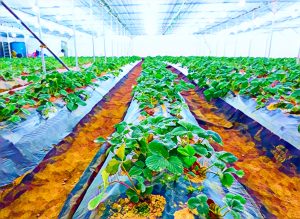
6. Urban Greenhouse Vegetable Farming – Controlled-environment farming allows all-year vegetable production using less water, ideal for cities facing erratic weather.
7. Agro-Logistics and Cold Chain Services – Linking farmers to markets with proper storage and transport is becoming lucrative as food losses stay high.

8. Mushroom Cultivation – Restaurants and supermarkets can’t get enough mushrooms, turning it into a profitable small-scale venture with quick turnover.

9. Organic Fertiliser Blending – Farmers are searching for cheaper, safer alternatives to imported fertiliser, opening a market for consistent local blenders.

10. Spice Cultivation (Ginger, Turmeric, Chilli) – Export buyers are expanding orders for Nigerian spices, especially from organised clusters that meet quality standards.