

KEY POINTS
- The Dangote crude supply shift follows a round of repairs.
- Ghana’s Sankofa grade supports the Dangote crude supply shift.
- Nigerian imports rose as output dipped under the shift.
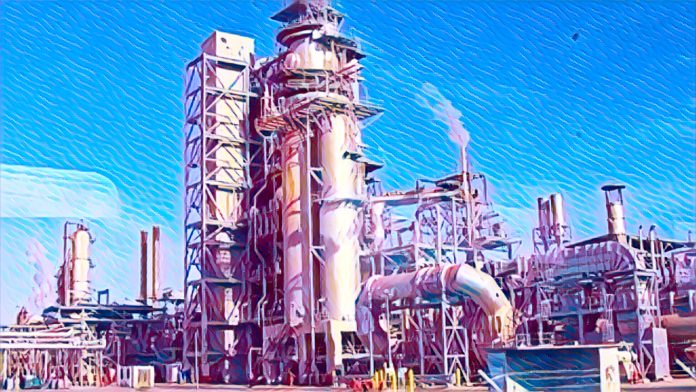
Dangote Petroleum Refinery has taken delivery of a second crude shipment from Ghana as the facility adjusts its buying patterns during a period of maintenance work. The cargo, made up of Ghana’s Sankofa grade, arrived in November and landed at a time when the refinery is cutting purchases from Europe and relying more on West African supply.
The plant, built and owned by billionaire Aliko Dangote, has been moving through a round of repairs that has shaped the pace and direction of its crude sourcing.
Regional crude deliveries take precedence
The latest cargo from Ghana adds to a growing list of regional shipments arriving at the Dangote refinery as the company looks to shorten voyage times and maintain flexible scheduling during its repair cycle. Data compiled by Kpler shows crude deliveries to the plant averaged about 380,000 barrels a day from September through November. That figure was roughly 30 percent below the volumes recorded during the July and August peak.
Most of the crude that reached the site in November came from Nigeria. Grades such as Bonny Light, Amenam, Forcados, Utapate and Qua Iboe made up the bulk of arrivals. Sankofa stood out as the only non-Nigerian grade that month. The refinery has been shifting its intake pattern as it works through a series of planned and unplanned outages.
The slowdown in crude intake reflects the strain on key units. The Residue Fluid Catalytic Cracking unit entered a two-month shutdown on Dec. 4 after a difficult third quarter. A one-week outage on the Crude Distillation Unit is also scheduled for late January. With these units offline at various points, the refinery has sharply reduced its crude purchases from the Mediterranean and North Sea. Traders tracking the flows say the company is relying on suppliers closer to home to keep operations steady while the repairs continue.
Lower refinery runs are already being felt in Nigeria’s downstream sector. Petrol output is expected to ease toward 80,000 barrels a day after running between 100,000 and 130,000 barrels a day in recent months. The drop has triggered a rise in fuel imports, which jumped to around 300,000 barrels a day in November. That figure was the highest in more than a year.
Maintenance curbs refinery output temporarily
Nigeria’s petrol demand has hovered near 300,000 barrels a day according to Kpler’s data. Imports have covered much of that requirement as Dangote reduces runs through February. Petrol production will depend mainly on the Reformer and Isomer units during the maintenance period until the RFCC returns.
Despite the disruptions, the refinery expects to supply 1.5 billion liters of petrol to the domestic market across December 2025 and January 2026, according to Billionaire Africa. Aliko Dangote said the plant will make about 50 million liters available each day from Dec. 1, with output expected to rise to roughly 60 million liters in February.
The refinery, which began operations in 2024 at 350,000 barrels per day, now processes around 650,000 barrels daily. Capacity is projected to reach 700,000 barrels by late 2025. Ahead of the holidays, the company cut petrol prices by 5.6 percent. It is also preparing to offer U.S.-dollar dividend payments to local shareholders once its $20 billion plant is listed.

