

Key Points
-
Dangote NMDPRA feud exposes institutional weaknesses.
-
Union urges systems over powerful individuals.
-
Regulatory clarity remains vital for investor confidence.
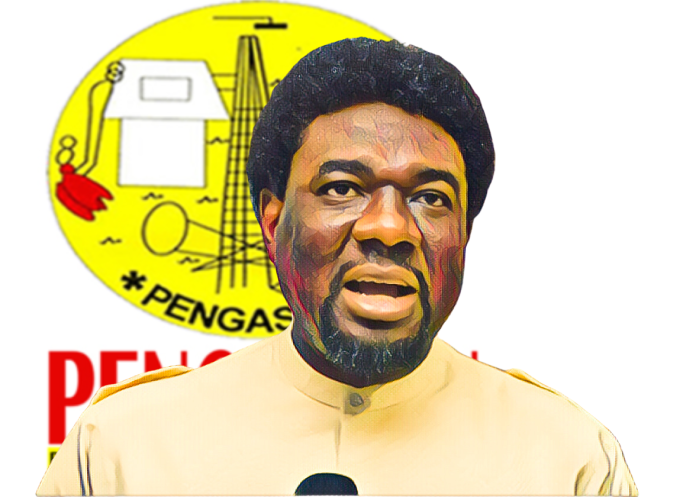
Festus Osifo, the president of the Petroleum and Natural Gas Senior Staff Association of Nigeria, has called for caution when making broad claims of sabotage in the oil and gas sector. He said that these kinds of accusations could hurt trust if they are not carefully looked into.
Osifo spoke on Channels Television on Sunday in response to Aliko Dangote, the president of the Dangote Group, who has accused regulators and unnamed people of sabotaging operations at his refinery. Osifo said that Dangote’s concerns should be clearly explained and dealt with by strong and trustworthy institutions instead of broad claims.
He said that Nigeria’s energy sector needs stability and cooperation, especially now that the country is trying to build more refining capacity at home and rely less on fuel imports.
Sabotage claims need to be clear
Osifo warned that the word “sabotage” has serious meanings and should not be used lightly. He said that these kinds of claims need to be carefully broken down to find out what actions, people, and results are involved.
He says that vague accusations could hurt the industry and cause unnecessary stress between operators and regulators. He said that accusations should clearly say what is happening, who is to blame, and how it affects operations.
Osifo also said that Nigeria’s regulatory bodies, such as the Nigerian Midstream and Downstream Petroleum Regulatory Authority and the Nigerian Upstream Petroleum Regulatory Commission, need to be strong, independent, and respected in order to handle disputes well.
Institutions must come before personal interests
The union leader said that institutions should come before people in the country, even though he agreed that the Dangote Refinery was important. He said that the refinery is something that Nigeria can be proud of, but that it can only be successful if people work together.
Osifo said that regulators need to help businesses grow while also making sure they follow the law. Refinery operators also need to know that regulatory bodies have power and work within the rules that have already been set.
Osifo said that the allegations against the former head of the NMDPRA, Farouk Ahmed, are not just about one person. He pointed out that these kinds of jobs are overseen by ministers and presidents.
When there are competing interests, leadership needs to be coordinated
Osifo said that Nigeria’s oil industry is affected by many different groups, such as refinery owners, fuel importers, and traders. He said that regulators need to find a way to balance these interests in order to keep the country stable and safe.
He said that Dangote wants to stop importing fuel, but other people with a stake in the matter also have economic concerns that need to be taken into account. Osifo says that to fix these problems, leaders need to work together.
He said that the Minister of Petroleum Resources is the best person to get everyone on the same page, bring together competing interests, and lead the sector towards choices that are good for the economy as a whole.
Osifo came to the conclusion that Nigeria’s oil and gas industry needs strong institutions that can encourage investment, enforce rules, and encourage cooperation for the good of more than 230 million people.

