

KEY POINTS
-
The Federal Government has filed criminal charges accusing El-Rufai of unlawfully intercepting the NSA’s phone communications.
-
Prosecutors say his televised statements amounted to an admission of illegal surveillance and failure to report offenders.
-
The case comes as he faces separate questioning by the EFCC, which drew rival protests from supporters and critics.
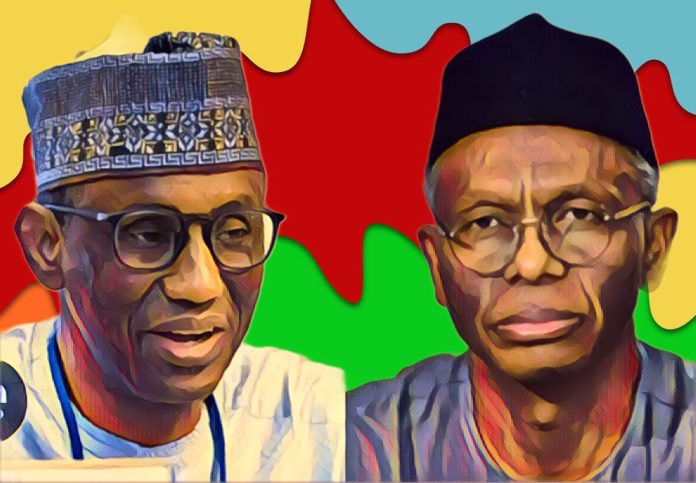
The Federal Government of Nigeria has instituted criminal proceedings against former Kaduna State governor Nasir El-Rufai, accusing him of unlawfully intercepting the phone communications of National Security Adviser Nuhu Ribadu.
The three-count charge was filed at the Federal High Court in Abuja and dated February 16, 2026. Prosecutors said the case arose from comments El-Rufai made during a February 13 appearance on Arise TV’s Prime Time programme, where he allegedly admitted knowledge of phone interception involving the NSA
According to court documents, prosecutors claim El-Rufai stated during the television interview that he and unnamed associates unlawfully intercepted Ribadu’s communications. Authorities argue that such an act constitutes a criminal offence under Section 12(1) of the Cybercrimes (Prohibition, Prevention, etc.) Amendment Act, 2024.
In a second count, the government alleged that the former governor acknowledged knowing those responsible for the interception but failed to report them to law enforcement agencies, also a punishable offence under the same legislation.
Details of the three criminal counts
The third charge accuses El-Rufai and others still at large of deploying technical systems that compromised public safety and national security by tapping the NSA’s communications. Prosecutors say this violates Section 131(2) of the Nigerian Communications Act, 2003.
Legal representatives from the State Security Service are listed as prosecutors in the case.
The charges stem from El-Rufai’s claim during the interview that he learned of a supposed attempt to arrest him through information obtained from a tapped phone conversation involving Ribadu. He alleged that the NSA ordered security operatives to detain him upon his arrival in Nigeria, describing the move as an attempted abduction.
El-Rufai stated that someone had tapped Ribadu’s phone and relayed the information to him. While acknowledging that intercepting calls without court approval is illegal, he argued that security agencies frequently monitor communications without judicial authorization.
The legal action coincided with El-Rufai’s appearance at the headquarters of the Economic and Financial Crimes Commission in Abuja on February 16, where he presented himself for questioning over separate allegations.
His visit sparked demonstrations outside the commission’s complex, with opposing groups staging protests. Critics demanded his investigation and prosecution, while supporters carried placards affirming solidarity and insisting he should be treated as a citizen rather than a suspect.

