

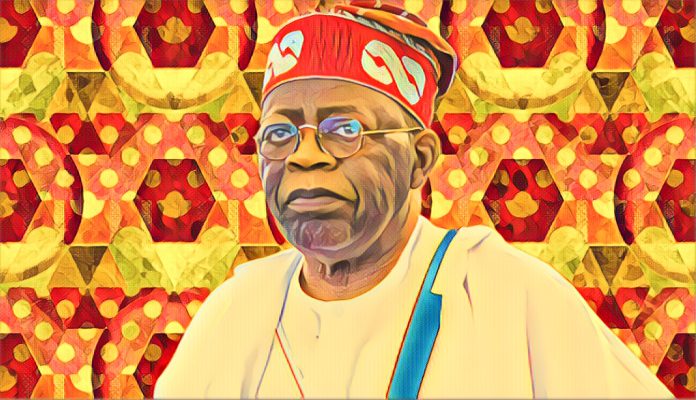
Nigeria’s external debt is poised to surge past $51.759 billion, following President Bola Tinubu’s recent proposal for an additional $8.6 billion and €100 million in foreign loans. This move, part of the 2022–2024 external borrowing plan, is aimed at funding vital infrastructure projects in areas like power, roads, water, railways, and health.
Nigeria’s Debt Management Office (DMO) reports that as of June 2023, the country owed N54.130 trillion in domestic debt and $43.159 billion in overseas debt. The external debt is broken down as follows: commercial loans total $15.618 billion, bilateral loans total $5.518 billion, and multilateral borrowings total $20.790 billion. The combined total of the nation’s external and domestic debt is an astounding N87.379 trillion.
President Tinubu also presented the Federal Capital Territory (FCT) supplementary budget to the National Assembly, along with the 2024 Appropriation Bill. This strategic financial move, communicated through letters read by Senate President Senator Godswill Akpabio and House Speaker Tajudeen Abbas, seeks early approval to ensure prompt project implementation.
According to a report by Vanguard, Analysts have voiced mixed reactions to the president’s request. Olatunde Amolegbe, former President of the Chartered Institute of Stockbrokers, emphasizes the importance of probity and accountability in utilizing borrowed funds.
Clifford Egbomeade, Communications and Public Relations Adviser at ID Africa, warns against unchecked borrowing patterns leading to higher debt servicing costs. He advocates for balancing borrowing with efficient fund allocation and revenue generation.
David Adonri of HIGH CAP Securities Limited cautions against further external debt, suggesting that domestic resources should be mobilized for infrastructure development.
Tajudeen Olayinka of Wyoming Capital and Partners highlights the need to reduce the crowding-out effect on private sector borrowings, while Marvelous Adiele of Parthian Partners points out the implications of a growing debt profile on the economy.
Despite these challenges, there remains a hopeful outlook for Nigeria’s economic future. With careful management and strategic planning, the country can navigate its way through this financial dilemma, leveraging its resources for sustainable growth and development.

