

KEY POINTS
- The Senate reduced election notice requirements from 360 days to 300 days to prevent 2027 polls from falling during Ramadan.
- Lawmakers again rejected mandatory real-time electronic transmission of results, retaining manual backup where networks fail.
- Heated debates and a closed session highlighted divisions among senators over electoral reforms but ended with majority votes sustaining the revised bill.
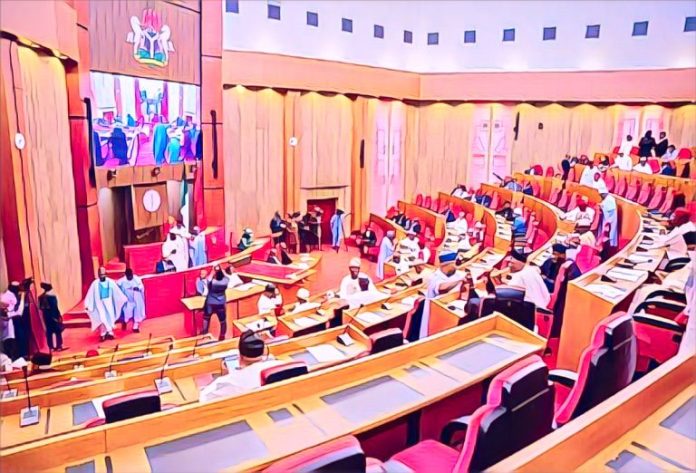
Nigeria’s Senate held an emergency plenary session on Tuesday to revisit and amend provisions of the Electoral Act, 2022 (Repeal and Enactment) Bill, 2026.
Lawmakers dissolved into the Committee of the Whole to reconsider sections of the legislation, following concerns that the earlier election timetable could clash with the Islamic holy month of Ramadan in 2027.
The decision was prompted after the Independent National Electoral Commission announced February 20, 2027, for presidential and National Assembly elections and March 6, 2027, for governorship and state assembly polls. Senators feared that holding elections during Ramadan could reduce voter turnout and complicate logistics.
Notice Period Cut From 360 to 300 Days
After deliberations, lawmakers amended Clause 28 of the bill, reducing the mandatory election notice period from 360 days to 300 days.
The revision gives the electoral commission flexibility to schedule elections between December 2026 and January 2027 instead of February.
The amended clause states that the commission must publish election notices not later than 300 days before polling day in every state and the Federal Capital Territory. It also clarified procedures for by-elections, including timelines for notice publication and candidate substitution in the event of death.
Senate Leader Opeyemi Bamidele, who sponsored the motion for rescission and recommittal, argued that the original 360-day notice requirement risked placing elections within Ramadan. He said such timing could negatively affect voter participation, stakeholder engagement, and overall credibility of the polls.
The Senate also identified technical discrepancies in multiple sections of the bill, including cross-referencing errors and numbering inconsistencies. A joint technical committee comprising members of both legislative chambers and legal experts was convened to harmonise the text before reconsideration.
Presiding over the session, Senate President Godswill Akpabio described the debate as proof that democracy was functioning. He praised both sides for expressing their positions and declared that those who supported the manual fallback option had “saved Nigeria’s democracy.”
A brief confrontation was also reported between Senator Sunday Karimi and Abaribe during the debate, reflecting the intensity of disagreements over electoral reforms.

