

KEY POINTS
- INEC has ordered nationwide voter-education campaigns to combat low turnout and improve public trust.
- Officials and contractors who cause election delays will face sanctions as part of stricter accountability measures.
- New result-validation technology and collaboration with state electoral bodies are being deployed to strengthen election credibility.
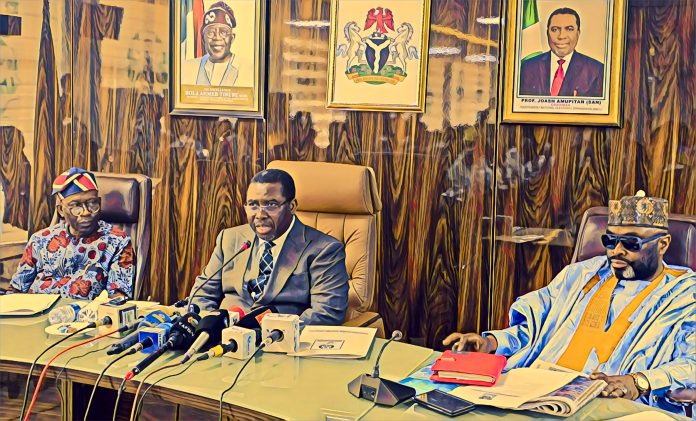
The Chairman of the Independent National Electoral Commission, Joash Amupitan, has directed Resident Electoral Commissioners (RECs) across Nigeria to intensify voter education campaigns, warning that even the best electoral policies are ineffective if citizens do not understand how the process works.
Speaking at a strategic meeting in Abuja after recent elections in the Federal Capital Territory and bye-elections in some states, Amupitan acknowledged a modest improvement in voter participation but stressed that turnout levels remain too low.
According to him, participation in the FCT poll rose from 9.4 percent in 2022 to about 15 percent, with more than 239,000 voters casting ballots. He described the progress as encouraging but insufficient, insisting that more must be done to boost public confidence and engagement.
RECs Directed to Sustain Awareness Campaigns
Amupitan instructed electoral commissioners to treat voter education as a continuous responsibility rather than a seasonal activity.
He urged citizens to verify polling unit details ahead of elections through official platforms and, where possible, physically confirm their polling locations before Election Day.
He emphasized that future contests, including governorship elections in Ekiti State and Osun State, as well as the 2027 general election require stronger grassroots sensitisation to ensure broader participation and transparency.
The INEC chairman issued a stern warning against absenteeism, lateness, or misconduct by electoral personnel, stating that disciplinary action would be taken against offenders.
He cited logistical shortcomings observed during the FCT election, where only 45 percent of polling units opened by 8:30 a.m., though all were operational by 10 a.m. Some officials have already been queried, while a transporter involved in delays was blacklisted.
He noted that such lapses undermine public trust and warned that future incidents would attract stricter consequences.

 across Nigeria to intensify voter education)