

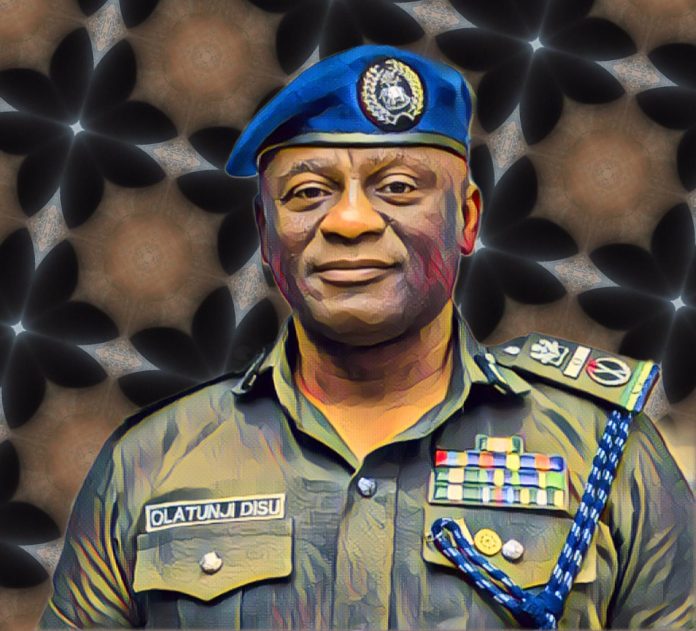
KEY POINTS
- Disu warned that some Nigerian Islamic groups maintain direct allegiance to Middle East movements.
- He supports state policing, describing it as a partnership rather than a threat to federal authority.
- Disu succeeds Kayode Egbetokun, who resigned on February 23 after clashing with President Tinubu.
Tunji Disu stepped into the most powerful policing office in Nigeria on Wednesday and immediately put the country on notice about what keeps him awake at night: the fallout from the Middle East.
President Bola Tinubu swore Disu in as the 23rd Inspector-General of Police at the State House in Abuja, making him the country’s top cop just days after the United States and Israel launched air strikes on Iran that killed Supreme Leader Ayatollah Ali Khamenei. Solidarity protests had already broken out in parts of Nigeria by the time Disu took his oath.
Police have been deployed
Speaking to journalists immediately after the ceremony, IGP Tunji Disu made clear he takes that threat seriously. “We know Nigeria has different Islamic sects, and some of them pay allegiance to the eastern part of the world,” he said. “We know that if anything happens in that part of the world, the repercussions could come here. So we are putting all necessary actions in place.”
He said the police had deployed officers on visible patrol across strategic locations and directed engagement with religious and community leaders to prevent individuals or groups from taking laws into their own hands. He also cautioned Nigerians against sharing unverified information, warning that misinformation creates unnecessary panic and undermines active security operations.
On State Police and Officer Welfare
Beyond the immediate security picture, Disu used his first public remarks to stake out clear positions on two domestic debates. On state policing, he threw his support behind the ongoing national push to create subnational forces. “State police has come to stay, and the police want to contribute to ensuring it succeeds. Our role is about partnership, not competition,” he said. He added that a committee within the force is already reviewing the framework for operational readiness.
On welfare, IGP Tunji Disu acknowledged that police work takes a serious personal toll. “Officers often spend extended periods away from their families,” he said, pledging to prioritize improved working conditions and professional support as a foundation for better policing.
Disu, 59, succeeds Kayode Egbetokun, who resigned February 23 after reportedly clashing with Tinubu over the withdrawal of police from VIP protection duties and opposition to state policing. The Nigeria Police Council ratified Disu’s appointment unanimously on March 2, clearing the path for Wednesday’s swearing-in.

