

Key Points
- JNIM jihadists raid an army base in Kofouno, killing 15 soldiers and wounding five others before military aircraft kill at least four attackers during their withdrawal.
- The attack follows a deadly 2025 for Benin’s security forces, including an April JNIM strike that killed 54 soldiers in a single incident.
- The JNIM has expanded its footprint into Benin, Togo and the Gulf of Guinea, recruiting locally and operating near a border zone flagged as a new jihadist hotspot by conflict monitors.
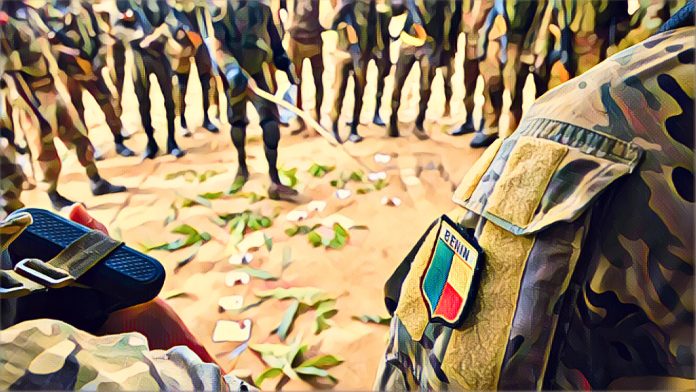
Al-Qaeda-linked jihadists attacked an army base in northern Benin on Wednesday, killing 15 soldiers in one of the deadliest raids the country has faced in recent months, the Beninese military said Thursday.
The Group for the Support of Islam and Muslims, known by its French acronym JNIM, claimed responsibility for the assault on the base in Kofouno, a remote outpost close to Benin’s border with Niger.
Army spokesman Col. James Johnson confirmed five additional soldiers were wounded in the attack but said their lives were not in danger.
He said military aircraft intercepted the attackers as they withdrew, killing “at least four terrorists.”
“The hunt continues,” Johnson said.
A military source deployed to the region, speaking on condition of anonymity, described the initial toll as a “heavy human toll.” Security journalists’ group Wamaps reported the base had been “pillaged and torched” during the assault.
The raid adds to a string of losses that made 2025 one of the most punishing years on record for Benin’s armed forces. In April, a JNIM attack killed 54 soldiers in a single strike.
In response to the worsening threat, Benin launched a 3,000-troop anti-jihadist force in 2022 and has since recruited an additional 5,000 soldiers to shore up its northern border region.
The country is weeks away from a presidential election.
JNIM is Al-Qaeda’s designated branch for the Sahel and has been the primary driver of an escalating jihadist insurgency across Burkina Faso, Mali and Niger, where military coups have deepened instability and weakened state capacity to contain the violence.
The group has steadily expanded southward into Benin and Togo, reaching toward the Gulf of Guinea coast.
Experts say JNIM’s southern expansion follows a different playbook from its Sahel operations.
Rather than seizing and holding territory, the group blends religious outreach with logistics networks and targeted attacks, while building a local recruitment base among communities in the border areas.
Conflict monitoring group ACLED recently identified the tri-border zone between Benin, Niger and Nigeria as an emerging jihadist hotspot.
A United Nations Security Council report last month said JNIM had appointed a dedicated emir for Benin, a move analysts say signals the group’s intent to deepen its presence in the country rather than treat it as a peripheral corridor.
West Africa’s coastal states have watched the Sahel crisis creep toward them for years. Wednesday’s attack in Kofouno is the latest sign that creep has become something faster.

