

KEY POINTS
- Nestoil rejected reports linking First Bank’s dividend suspension to its alleged debt, calling them sponsored blackmail.
- The energy firm said a June 2025 CBN circular suspending dividends for forbearance-exposed banks was the real cause.
- Nestoil threatened defamation suits against First Bank, its chairman and seven media houses if reports continue.
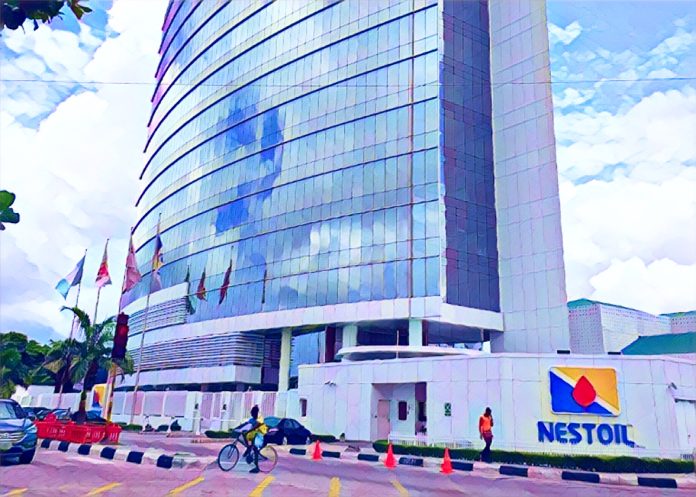
Ernest Azudialu-Obiejesi’s Nestoil Limited on Tuesday hit back at First Bank of Nigeria and its chairman, rejecting media reports that pinned the lender’s halted dividends on a debt allegedly owed by the indigenous energy firm.
In a strongly worded statement, Nestoil called the reports a “calculated distortion of facts” and warned that it will pursue defamation suits against both the bank and the seven media houses that ran the story unless the publications stop immediately.
The Lagos-based oil services firm, founded by Azudialu-Obiejesi through his Obijackson Group, named The Guardian, The Nation, Leadership, Vanguard, Nairametrics, TheCable and other online platforms as carriers of what it described as “sponsored” content.
CBN rule, not Nestoil debt
Nestoil argued that the real reason behind the dividend halt sits in a Central Bank of Nigeria circular issued on June 13, 2025. Specifically, the directive, signed by Banking Supervision Director Olubukola Akinwunmi, suspended dividend payouts and deferred executive bonuses at lenders benefiting from regulatory forbearance or exemptions from the Single Obligor Limit.
Now the same outlets that reported that policy a year ago, Nestoil said, are reframing the story to single out one borrower. “To now turn around and attribute dividend suspension to an alleged exposure to Nestoil Limited is not only inconsistent but intellectually dishonest,” the company said.
Moreover, Nestoil said the framing risks misleading investors. The company called the publications “irresponsible journalism” that could distort market confidence and weaponize public sentiment among shareholders.
Court matter, media trial
The dispute between Nestoil and FirstBank already sits before competent courts, the company stressed, making the press coverage doubly problematic. Indeed, the firm argued that ventilating sub judice matters in the media pre-empts judicial outcomes and amounts to a reputational attack.
“If First Bank of Nigeria and its chairman are confident in the strength of their case, why resort to media propaganda?” Nestoil asked. “Why not allow the courts to adjudicate based on evidence and the rule of law?”
Meanwhile, the firm framed the campaign as part of a broader pattern by FirstBank and its chairman of using publications to incite shareholders against the energy company.
Nestoil now plans to seek redress in court. Additionally, the firm cautioned that it will hold both originators and amplifiers liable. “The era of unchecked misinformation must come to an end,” the statement read.
The company also called on the named media houses to exercise greater diligence and balance, warning that continued amplification will trigger legal action against the publishers themselves.
The bigger picture
Azudialu-Obiejesi’s Nestoil ranks among Nigeria’s top indigenous oil and gas service providers, with stakes spanning engineering contracts, marine logistics and downstream investments. Today, the company sits at the center of one of Nigeria’s most contentious banking exposures, with its ties to FirstBank drawing scrutiny from regulators and capital market watchers.
However, Nestoil insists its books are sound and that the broader sector strain is regulatory, not borrower-driven.
Whether the courts agree, or the press wars escalate, the next move could reshape how Nigerian lenders, corporate borrowers and editors handle public disputes over forbearance-era debts.

