

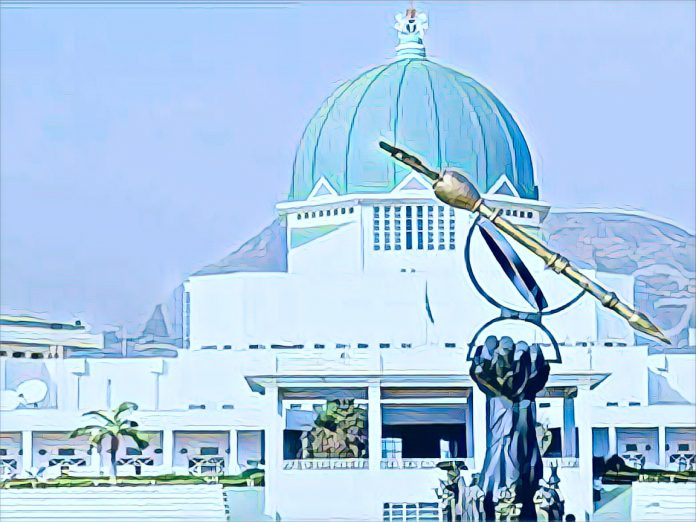
In a move that has ignited discussions across the nation, several members of the National Assembly have advocated for Nigeria to transition back to a parliamentary system of government.
This push, characterized by some lawmakers as a critical step to rescue Nigeria from potential decline, invites a deeper examination of the parliamentary and presidential systems to determine the best fit for the country’s unique socio-political landscape.
The Sun recalled that, the parliamentary system, epitomized by the merging of executive and legislative powers, sees the executive branch emerging directly from the legislature. Here, the majority party or coalition in parliament forms the government, appointing its leader as Prime Minister. This system, which originated in Britain, mandates that cabinet ministers be drawn from the legislature, ensuring accountability to parliament.
Conversely, the presidential system, a hallmark of the American political structure since 1787, distinguishes between the head of government and the head of state—both roles filled by an elected President. This system prides itself on the direct election of the executive by the populace and the separation of powers among government branches.
Nigeria’s rich diversity, with over 300 ethnic groups, presents a unique challenge in choosing an effective governance model. The parliamentary system, with its ‘winner-takes-all’ approach, risks marginalizing minority groups if the majority party’s leadership and ministerial positions are dominated by a single region or ethnic group. Such a scenario could exacerbate regional disparities and undermine national unity.
The presidential system, however, with its mandate for federal representation, allows for a more inclusive government. Nigeria’s constitution ensures ministerial appointments reflect the nation’s federal character, offering a safeguard against the marginalization of minority groups.
Proponents of the parliamentary system often tout its cost-effectiveness compared to the presidential model. However, this argument overlooks the nuanced realities of governance costs, which are more a matter of administrative efficiency and corruption levels than structural differences. Notably, the ceremonial head in a parliamentary system, such as a President in a republic or a monarch in a constitutional monarchy, can also incur significant expenses without contributing to revenue generation or governance.
One of the parliamentary system’s notable features is its flexibility in government dissolution and reformation through votes of no confidence or the resignation of the Prime Minister. While this may allow for responsive governance, it also introduces a level of instability, with frequent elections and government changes. The presidential system, with its fixed election cycles and the provision for vice-presidential succession, offers greater political stability, a critical factor for developing nations like Nigeria.
Direct elections in a presidential system empower citizens to influence their leadership directly, potentially correcting societal imbalances. This system has facilitated the emergence of minority leaders in various democracies, including the United States and Nigeria, showcasing its capacity for inclusivity and representation.
Given Nigeria’s complex ethnic, cultural, and religious landscape, the presidential system, with adjustments for a more streamlined legislature, appears more suited to fostering national unity and inclusivity. While the parliamentary system has its merits, the presidential model’s direct electoral mechanism and federal character principle offer a more balanced approach to addressing Nigeria’s diversity challenges.
As Nigeria continues to navigate its democratic journey, the ongoing debate between parliamentary and presidential systems underscores the need for a governance structure that not only ensures effective administration but also reflects the nation’s rich mosaic of identities.

