

KEY POINTS
- Nigeria faces rising waste piles, floods, and health hazards.
- Recycling efforts are hindered by limited infrastructure and low awareness.
- Government, private firms, and community groups push for better solutions.
Waste management in Nigeria has become a pressing challenge, with mounting waste piles, poor disposal systems, and inadequate recycling infrastructure threatening the health and well-being of communities.
As the population grows, so does the volume of waste, making it critical for stakeholders to find sustainable solutions.
Addressing Nigeria’s waste management issues requires a combination of government intervention, corporate responsibility, and community engagement.
Mounting waste piles and poor disposal methods plague Nigerian cities
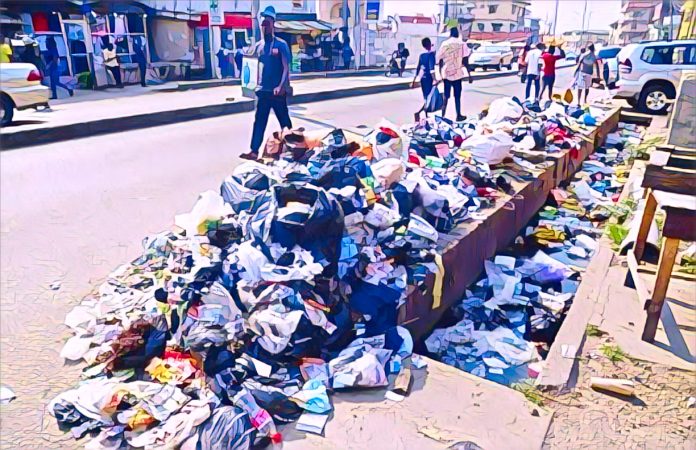
Stroll through many Nigerian cities, and the evidence of poor waste disposal is hard to miss.
Streets and drainage systems are clogged with plastic bottles, polythene bags, and other forms of waste.
The situation is especially dire in densely populated urban centers like Lagos, Abuja, and Port Harcourt, where the sheer volume of waste outpaces the available disposal infrastructure.
In many areas, open dumping is a common practice. Residents dispose of waste in unapproved locations like street corners, empty plots, and waterways, which later get washed into drainage systems, causing floods during heavy rains.
The resulting health and environmental hazards include the spread of diseases like cholera and the destruction of aquatic ecosystems.
The informal waste collection system, where individuals pick and sort waste for resale, also contributes to the disorganization of waste disposal in Nigeria.
While informal waste pickers play a role in recycling, the absence of a regulated system limits its effectiveness.
Without organized collection points or modern waste disposal facilities, these efforts only scratch the surface of a much larger problem.
Limited recycling infrastructure and public awareness hinder waste management
Nigeria’s recycling industry is still in its infancy, with limited capacity to handle the growing waste crisis.
Recycling initiatives are often led by private companies, non-profits, and community organizations, but their impact remains minimal compared to the scale of waste generated daily.
Despite growing interest in recycling, the absence of sufficient infrastructure poses a major obstacle.
Many recycling plants operate below capacity due to a lack of funding, technical expertise, and proper waste segregation at the source.
Unlike in more developed countries where waste is sorted at the point of disposal, Nigerian waste is often a mix of organic waste, plastics, metals, and other materials. This makes it difficult for recycling plants to process the waste efficiently.
Public awareness also plays a crucial role. Many citizens are unaware of the environmental impact of improper waste disposal or the benefits of recycling.
There’s limited education on how to separate waste at home, and waste bins dedicated to recycling are almost non-existent in public places. Changing public perception about waste disposal requires government-backed awareness campaigns and incentives for recycling.
Government initiatives and community efforts offer a path forward
In response to the growing waste problem, the Nigerian government has introduced several initiatives aimed at improving waste management.
Key among them is the Lagos State Waste Management Authority (LAWMA), which spearheads waste collection and recycling efforts in Lagos, Nigeria’s most populous city. LAWMA works with private sector partners to enhance waste collection, enforce sanitation laws, and promote recycling.
On a national level, the Nigerian government is working to strengthen its Environmental Protection Act, which aims to regulate waste disposal practices, reduce illegal dumping, and encourage recycling.
State governments have also launched “Clean Nigeria” campaigns to encourage citizens to adopt better waste management habits.
Community efforts are equally important. Grassroots movements, non-profit organizations, and local cooperatives are driving change at the community level.
Organizations like the African Clean-Up Initiative organize regular clean-up exercises, sensitizing communities to the dangers of indiscriminate waste disposal.
Some companies are also stepping up. Beverage giants like Coca-Cola and Nestlé have launched recycling initiatives, encouraging consumers to return used bottles and plastic waste in exchange for incentives.
Partnerships between private companies and local communities are playing a vital role in the fight against waste pollution.

