

The United Nations’ projection of a need for 96,000 new affordable houses daily worldwide by 2030 seems a distant concern. Yet, with a ballooning population, Nigeria finds this demand pressing at its doorstep. From requiring seven million housing units in 1991, the nation’s demand surged to a whopping 28 million by 2022.
Despite democracy’s return and commitments from the Federal Government, Nigeria has added less than three million housing units in two decades. General Muhammadu Buhari’s recent administration, for instance, added a meager 8,000 units over eight years, illuminating the government’s subdued focus on affordable housing.
The alarming trajectory suggests that neither state nor Federal Governments can shoulder this issue alone. Collaborations with the private sector are paramount.
According to the UN, the 1948 Universal Declaration of Human Rights and the 1966 International Covenant on Economic, Social, and Cultural Rights enshrined the right to adequate housing. The right is universally recognized, emphasizing every nation’s responsibility, including Nigeria.
Lagos, Nigeria’s bustling commercial hub, faces an acute housing shortage. The World Bank predicts that by 2030, Nigeria, with cities like Lagos at its forefront, will rank third in the global population, behind China and India. Daily, countless individuals flock to Lagos, with many deciding to stay, exacerbating housing challenges and straining existing infrastructures.
Affordable housing isn’t just a fundamental need; it’s pivotal for socio-economic advancement. A stable housing market is essential for national economies and breaking persistent poverty chains.
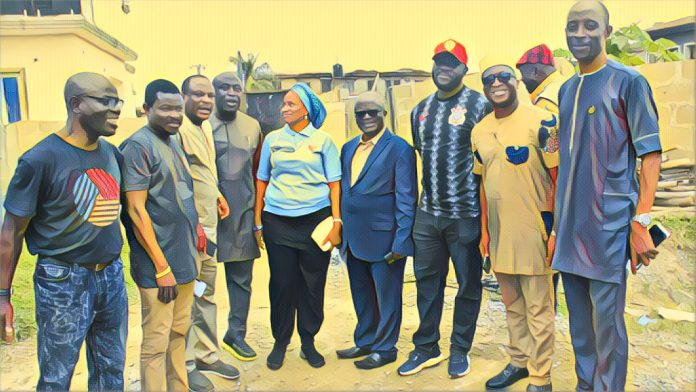
Lagos has spearheaded initiatives in the housing market. Yet, while premium properties abound, housing for the middle and lower classes remains scarce. Decades-old partnerships, like the Fortune Garden Residential Housing Scheme in Ogudu, Alapere, have only recently borne fruit. Other residential schemes in Lagos still await fruition.
Under Governor Sanwo-Olu’s leadership, partnerships with real estate developers have birthed various housing projects. Yet, many Lagosians, even those with Certificates of Occupancy, still await their promised plots. The chairman of a local association lamented that many intended homeowners remain tenants, some even passing away without ever realizing their housing dreams.
During an inauguration last June, Sanwo-Olu emphasized his administration’s dedication to providing Lagosians with affordable housing. According to a report by The Guardian, he highlighted the government’s achievements, including the completion of 19 housing estates.
Professor Austin Otegbulu from the University of Lagos commends Lagos for its housing initiatives compared to other states. He stresses the importance of sustainable funding, minimizing bureaucratic delays, and completing projects promptly for the benefit of subscribers.
Kola Adefila, a former chairman of the Nigerian Institution of Estate Surveyors and Valuers, believes an overhaul of the Land Use Act will expedite land acquisition for housing and title registration. Otegbulu advocates for value management, functional design, vertical expansion, and using local building materials to address the housing shortfall.
In echoing the UN Habitat’s sentiments on housing’s transformative potential, Otegbulu asserts the need for a holistic approach, with the private sector playing a pivotal role.

