

HomeNewsLagos Slips to 5th Place Among Africa's Wealthiest Cities

Lagos Slips to 5th Place Among Africa’s Wealthiest Cities

Published on

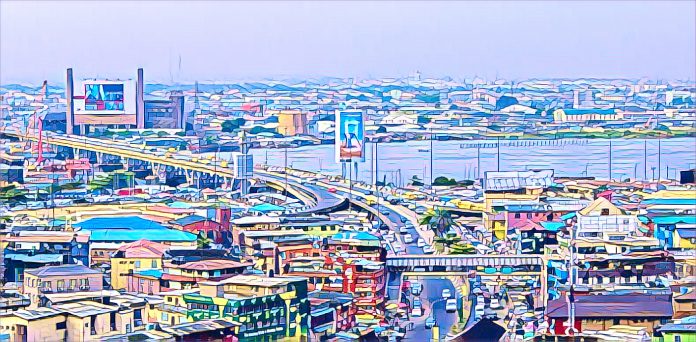
Lagos, Nigeria’s economic powerhouse, has seen a decline in its ranking among Africa’s wealthiest cities, dropping from 4th to 5th place. The shift in position reflects changing economic dynamics and competitive pressures within the continent’s urban landscape.

Once hailed as the fourth wealthiest city in Africa, Lagos now finds itself trailing behind other regional hubs in terms of economic prosperity and wealth accumulation. The city’s slip in ranking underscores the need for strategic interventions to bolster its economic resilience and competitiveness in the face of evolving global trends.

Factors contributing to Lagos’ downward trajectory include challenges such as infrastructure deficits, regulatory bottlenecks, and economic disruptions exacerbated by the COVID-19 pandemic. These hurdles have dampened investor confidence, slowed business activity, and hindered the city’s ability to harness its full economic potential.

Despite these setbacks, Lagos remains a key driver of Nigeria’s economy, accounting for a significant share of the country’s GDP and serving as a magnet for domestic and foreign investment. The city’s vibrant entrepreneurial spirit, diverse workforce, and strategic geographical location continue to position it as a hub for commerce, innovation, and opportunity.

To regain its footing and reclaim its status as one of Africa’s leading economic centers, Lagos must address critical challenges and capitalize on emerging opportunities. This entails prioritizing investments in infrastructure development, streamlining business regulations, and fostering a conducive environment for entrepreneurship and investment.

As Lagos navigates the complexities of a rapidly changing global economy, there is optimism for its long-term growth and prosperity. With strategic planning, effective governance, and collaborative efforts from both public and private stakeholders, the city can overcome current challenges and emerge stronger, more resilient, and more competitive on the continent’s economic stage.

Source: BusinessDay
Latest articles

“He suffered because he was poor”: Lawyers say police broke the law by detaining Oyo student over N8,000

New details show the N8,000 debt Oyo police said was irrelevant appears on Al-Amin Mohammed's charge sheet, as lawyers say detaining a debtor is illegal.

Plateau women block Jos-Mangu highway after gunmen kill three vigilantes, including youth leader, on night patrol

Women and youths in Kassa community, Barkin Ladi, blocked the Jos-Mangu highway for hours on Friday after gunmen killed three vigilantes, including the youth leader.

How Aliko Dangote’s refinery turned Nigeria into a petrol exporter worth nearly N1 trillion in six months

Aliko Dangote's refinery has turned Nigeria from a heavy petrol importer into an exporter earning N998.5 billion in the first half of 2026, NBS data show.

Obi insists he left Anambra debt-free, says World Bank loans were federal support drawn after he left office

Peter Obi says he never borrowed money or issued bonds as Anambra governor, rejecting the state government's claim that his tenure left N127.4 billion in external debt.

More like this

“He suffered because he was poor”: Lawyers say police broke the law by detaining Oyo student over N8,000

New details show the N8,000 debt Oyo police said was irrelevant appears on Al-Amin Mohammed's charge sheet, as lawyers say detaining a debtor is illegal.

Plateau women block Jos-Mangu highway after gunmen kill three vigilantes, including youth leader, on night patrol

Women and youths in Kassa community, Barkin Ladi, blocked the Jos-Mangu highway for hours on Friday after gunmen killed three vigilantes, including the youth leader.

How Aliko Dangote’s refinery turned Nigeria into a petrol exporter worth nearly N1 trillion in six months

Aliko Dangote's refinery has turned Nigeria from a heavy petrol importer into an exporter earning N998.5 billion in the first half of 2026, NBS data show.
