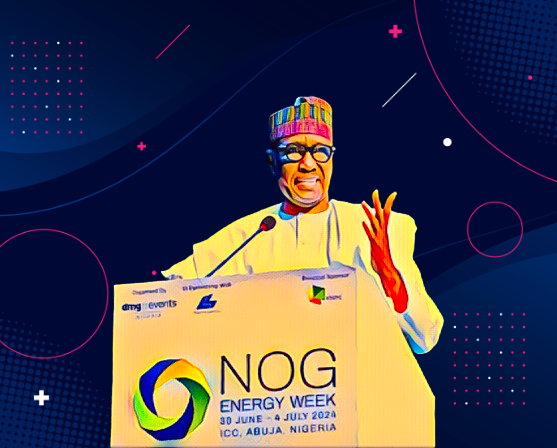
The Nigerian National Petroleum Corporation (NNPC) has declared a state of emergency on crude oil production, aiming to address the significant challenges affecting the industry. This decisive move underscores the urgency of stabilizing Nigeria’s oil output, which has been hampered by operational disruptions, theft, and vandalism.
NNPC Group Managing Director Mele Kyari announced the emergency measures in a bid to tackle the myriad of issues crippling the nation’s primary revenue source. “The state of emergency declaration is crucial for addressing the critical factors undermining our production capacity,” Kyari stated. “We are committed to restoring and enhancing crude oil production to its optimal levels.”
Nigeria, Africa’s largest oil producer, has faced declining oil production in recent years, impacting the country’s economy and energy security. The persistent issues of oil theft and pipeline vandalism have exacerbated the situation, causing substantial financial losses and environmental damage. The NNPC’s latest initiative seeks to implement robust security measures, repair infrastructure, and improve operational efficiencies.
Kyari highlighted the multifaceted approach being adopted to combat these challenges. The strategy includes heightened surveillance, collaboration with security agencies, and the deployment of advanced technology to monitor and protect oil installations. “We are working closely with all stakeholders, including the military and local communities, to safeguard our oil infrastructure and ensure continuous production,” Kyari explained.
The declaration of a state of emergency comes at a critical time for Nigeria’s economy. The country relies heavily on oil revenues, which constitute a significant portion of its national budget and foreign exchange earnings. Any disruption in oil production not only affects the economy but also hampers the government’s ability to fund essential services and development projects.
Industry experts have welcomed the NNPC’s proactive measures, noting that the success of these initiatives could have far-reaching implications for Nigeria’s oil sector and overall economic stability. “Addressing the root causes of production decline is essential for sustaining Nigeria’s position in the global oil market,” said energy analyst Dolapo Oni. “The NNPC’s comprehensive plan is a positive step towards achieving this goal.”
However, some analysts caution that the government must ensure transparency and accountability in the implementation of these measures. “While the declaration of a state of emergency is a necessary move, it is crucial to maintain oversight and transparency to prevent any misuse of resources,” advised Dr. Zainab Ahmed, a public policy expert.
The NNPC’s focus on community engagement is also seen as a pivotal aspect of the emergency response. By fostering positive relationships with local communities, the corporation aims to mitigate conflicts and reduce instances of vandalism. “Community participation and support are vital for the success of our efforts,” Kyari emphasized. “We are committed to investing in community development projects and ensuring that the benefits of our oil resources are shared equitably.”
As the NNPC embarks on this ambitious plan, there is cautious optimism about its potential to revive Nigeria’s oil production and stabilize the economy. The collaboration between government agencies, security forces, and local communities will be instrumental in overcoming the challenges that have plagued the industry.
Looking forward, the NNPC aims to not only restore production levels but also implement sustainable practices that will enhance the resilience of Nigeria’s oil sector. By addressing the immediate threats and laying the groundwork for long-term stability, the corporation is setting a course for a more secure and prosperous future for the country.
The declaration of a state of emergency on crude oil production reflects the NNPC’s commitment to overcoming adversity and ensuring the continuity of one of Nigeria’s most vital industries. As these measures take effect, the nation remains hopeful for a resurgence in oil production that will drive economic growth and development.
Source: businessday.ng