

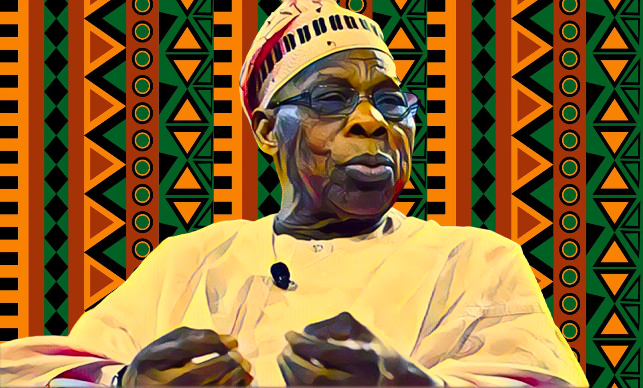
Former Nigerian President Olusegun Obasanjo has sought to clarify the purpose of his recent meeting with Southeast governors in Enugu, quelling speculation that the talks centered on the release of Nnamdi Kanu, leader of the Indigenous People of Biafra (IPOB). A statement released by Obasanjo’s spokesperson, Kehinde Akinyemi, on July 5th, 2024, emphasized that regional development, not Kanu’s case, was the core agenda.
A Collaborative Effort for Southeast Growth
The meeting, initiated by Obasanjo and former Commonwealth Secretary-General Emeka Anyaoku, aimed to foster collaboration between the federal government and Southeast governors on critical regional issues. Discussions focused on improving security, infrastructure development, economic growth, and fostering closer cooperation within the region. These areas directly impact the lives of millions of Nigerians in the Southeast and are crucial for the region’s overall prosperity.
Akinyemi’s statement directly addressed speculation surrounding the meeting’s purpose. “The meeting with them was at my invitation and Chief Emeka Anyaoku before their summit begins,” the statement quoted Obasanjo. “The issue of Nnamdi Kanu was not on the agenda and was not discussed in my presence.”
Nnamdi Kanu’s case remains a contentious topic in Nigeria. The IPOB leader is facing terrorism charges and has been detained since 2015. Calls for his release have intensified in recent months, with some linking it to a potential de-escalation of tensions in the Southeast. However, the federal government’s stance on Kanu’s release remains unclear. The Court of Appeal had ordered his release in October 2022, citing extraordinary rendition, but the government appealed the decision to the Supreme Court, leading to a stay of execution.
Southeast Governors Look to Address Regional Challenges
The Southeast governors’ decision to invite Obasanjo and Anyaoku for discussions highlights their commitment to tackling regional challenges. Obasanjo’s experience as a former president and Anyaoku’s diplomatic expertise could prove valuable in addressing issues like infrastructure development, fostering economic growth, and finding solutions to security concerns in the region.
The meeting’s focus on regional development underscores the importance of addressing the needs of Nigeria’s diverse regions. A thriving Southeast region contributes significantly to the national economy. By working collaboratively with the federal government and leveraging the expertise of prominent figures like Obasanjo and Anyaoku, Southeast governors can create a more prosperous and secure future for the region’s residents. This, in turn, strengthens Nigeria’s overall economic and social well-being.
Source: Vanguard

