

Key Points
-
Nigeria will prioritize payments like salaries and debt service.
-
Diversifying away from oil is key to stabilizing Nigeria’s economy.
-
Boosting oil production remains a central strategy
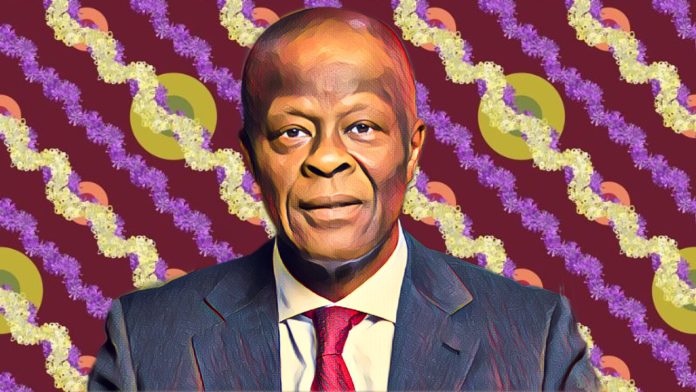
Nigeria’s Finance Minister, Wale Edun, discussed the country’s economic challenges caused by falling oil prices and budget deficits.
At the World Bank/IMF meetings in Washington D.C., Edun outlined the government’s strategy to tackle these issues and stabilize the economy.
He acknowledged the risks posed by declining oil prices. Brent crude recently dropped below $70 a barrel, threatening Nigeria’s budget, which had been set with an assumption of $75 per barrel.
Edun explained that the government will prioritize essential payments, boost oil production, and focus on diversification to ensure long-term economic health.
Priority payments and fiscal discipline
The Nigerian government plans to maintain fiscal responsibility despite the looming budget shortfall.
Edun emphasized that the country would prioritize essential payments, including salaries, pensions, and debt service.
These payments will take precedence to ensure the country meets its most urgent financial obligations.
“We will conserve and prioritize,” Edun stated. He stressed that managing these payments effectively is key to keeping the economy on track.
In line with this, the NNPC has been tasked with increasing oil production and reducing costs to maximize revenue.
Edun also noted that a large part of the solution lies in diversifying the economy. While oil remains crucial, the government is working to expand Nigeria’s economic base and reduce its dependency on oil.
Diversification and investment to stabilize Nigeria’s economy
To combat the strain from falling oil prices, Nigeria is diversifying its economy. The country has developed refining capacity of 1.2 million barrels per day, which supports industries such as petrochemicals, agriculture, and pharmaceuticals. This diversification is critical for stabilizing the economy in the long run.
Edun also highlighted the importance of attracting private sector investment. He stated that fostering economic growth and job creation requires a conducive business environment.
The government is committed to creating this environment, with a focus on productivity and poverty reduction.

