

KEY POINTS
-
The debt problem in Nigeria makes investors less sure.
-
Banks are under stress because the CBN is late with payments.
-
People think that fiscal reforms and new leaders are very important.
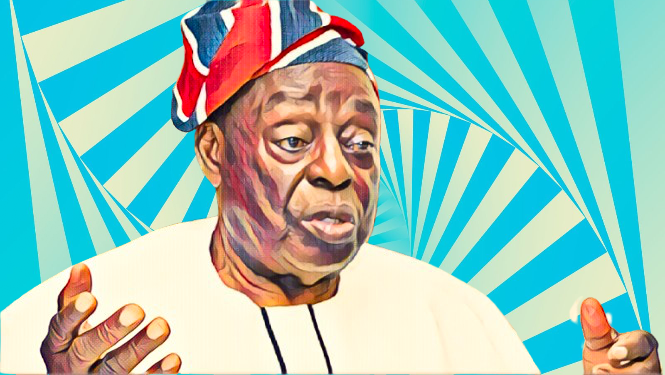
Nigeria’s legal luminary and founder of Afe Babalola University, Ado-Ekiti, Aare Afe Babalola, has raised alarm over Nigeria’s rising debt profile, warning that the country’s economic credibility is slipping fast and deterring much-needed foreign investment.
Speaking at the 2025 International Leadership Conference on Leadership, Governance, Sustainable Change and Wealth Creation (2.0), held at ABUAD in Ado-Ekiti, Babalola said Nigeria’s debt burden now estimated at N152.4 trillion ($99.7 billion) is pushing investors away and weakening the local financial system.
Debt strain fuels investor hesitation
The senior advocate said Nigeria’s worsening fiscal position has left banks struggling, as the Central Bank of Nigeria allegedly fails to honour government promissory notes due to liquidity constraints.
“Most foreign firms don’t want to invest in a debtor country,” Babalola said. “Our banks are complaining that the CBN isn’t honouring government promissory notes. This is unacceptable for a nation with Nigeria’s potential.”
He urged the government to adopt prudent fiscal management, curb waste, and prioritize citizens’ welfare in line with Section 14 of the Constitution, which places the people’s security and welfare at the core of governance.
Transformational leadership key to recovery
Dr. Otive Igbuzor, Executive Director of the African Centre for Leadership, Strategy and Development (CentreLSD), gave a keynote speech in which he argued that Nigeria can only be saved from its cycle of debt, corruption, and underdevelopment by transformational leadership.
He stressed that Africa needs a new generation of ethical and innovative leaders capable of rewarding merit over patronage. “Nigeria must embed leadership formation in education,” Igbuzor said. “It should be as essential as literacy itself.”
Also speaking, ABUAD’s Vice Chancellor, Prof. Smaranda Olarinde, said the conference was timely, underscoring how global and regional partnerships can address insecurity, hunger, poverty, and infrastructural decay.
Babalola concluded that Nigeria’s future depends on transparent fiscal governance and leaders who prioritize national stability over politics. “Only responsible management of debt and governance can rebuild investor trust,” he further said.

