

Key Points
-
NBA and Atiku Abubakar seek suspension of new tax laws over alleged gazette alterations.
-
Critics claim provisions were changed after National Assembly approval.
-
Lawmakers proceeded with budget revisions despite the controversy.
Nigeria’s new tax reform laws have come under fresh scrutiny as the Nigerian Bar Association and former Vice President Atiku Abubakar called for their suspension over alleged unauthorised alterations made after passage by the National Assembly.
The controversy follows claims that sections of the laws published in the official gazette differ from the versions approved by lawmakers.
Implementation of the tax reforms is scheduled to begin on January 1, 2026.
NBA Raises Concerns Over Legislative Integrity
The Nigerian Bar Association said the alleged discrepancies raise serious questions about transparency and credibility in Nigeria’s lawmaking process.
In a statement signed by its president, Afam Osigwe, the association called for an open and comprehensive investigation to determine how the changes occurred.
The NBA said implementation of the tax reform laws should be halted until the issues are fully examined and resolved, warning that the situation strikes at the core of constitutional governance.
The association also cautioned that uncertainty surrounding the laws could unsettle the business environment, weaken investor confidence, and complicate compliance for individuals and companies.
Atiku Demands Probe, EFCC Involvement
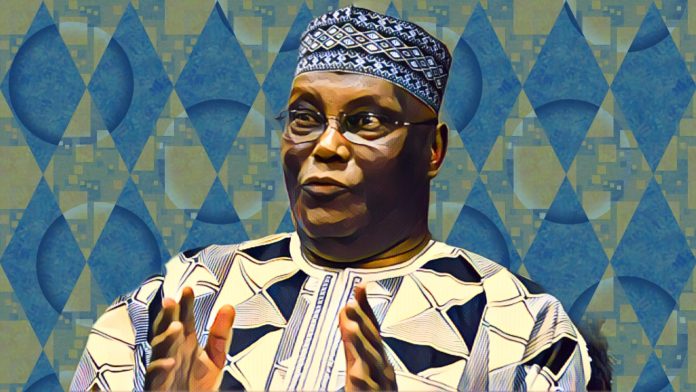
Atiku Abubakar also demanded an immediate suspension of the tax laws and called on the Economic and Financial Crimes Commission to investigate what he described as illegal alterations.
He accused the executive arm of undermining legislative authority and eroding democratic safeguards through post-passage changes.
Atiku alleged that provisions granting arrest powers, property seizure, and enforcement actions without court orders were inserted without the consent of lawmakers.
According to him, the alleged changes expand executive power while removing accountability mechanisms such as legislative oversight and reporting obligations.
National Assembly Proceeds Despite Controversy
Despite the growing backlash, both chambers of the National Assembly proceeded on their Christmas and New Year recess, scheduled to end on January 27, 2026.
Lawmakers approved the repeal and re-enactment of the 2024 and 2025 budgets, endorsing revised expenditure figures of N43.561 trillion for 2024 and N48.316 trillion for 2025. They also extended the implementation of the 2025 budget to March 31, 2026.
The Senate further advanced the proposed N58.47 trillion 2026 Appropriation Bill to second reading.
How The Tax Laws Were Passed
President Bola Tinubu signed four tax reform bills into law in June after months of debate.
The laws include the Nigeria Tax Bill, Nigeria Tax Administration Bill, Nigeria Revenue Service Establishment Bill, and Joint Revenue Board Establishment Bill.
The Federal Government fixed January 1, 2026, as the start date for implementation, arguing that the reforms would simplify tax administration, eliminate overlapping levies, and boost domestic productivity.
The chairman of the Presidential Fiscal Policy and Tax Reforms Committee, Taiwo Oyedele, has defended the reforms, insisting the government was not introducing new taxes.
Opposition Parties Join The Call
Opposition figures and parties, including Labour Party leader Peter Obi and the African Democratic Congress, have also urged the Federal Government to halt implementation pending clarification of the alleged alterations.
Critics argue that sustainable revenue generation should focus on expanding the tax base and supporting economic growth rather than increasing enforcement powers.
Budget Revisions And Fiscal Outlook
During plenary, lawmakers approved adjustments to statutory transfers, debt servicing, recurrent spending, and capital expenditure across both re-enacted budgets.
Senate leaders said the revisions were necessary to reflect fiscal realities, address revenue shortfalls, and improve budget implementation.
The Senate described passage of the revised budgets and progress on the 2026 spending plan as steps toward restoring fiscal discipline and strengthening public finance transparency.

