

KEY POINTS
- Nigeria needs $345 million yearly to reintegrate 15 million out-of-school children.
- Twenty-five percent of children aged 5-14 are out of school, rising to 41 percent in the Northeast and Northwest.
- Every additional school year boosts individual earnings by 5.7 percent and productivity by 6 percent.
Nigeria’s education crisis carries a price tag. The Federal Government says the country needs $345 million every year to reintegrate its 15 million out-of-school children and equip them with the skills their futures demand, and the government cannot foot that bill alone.
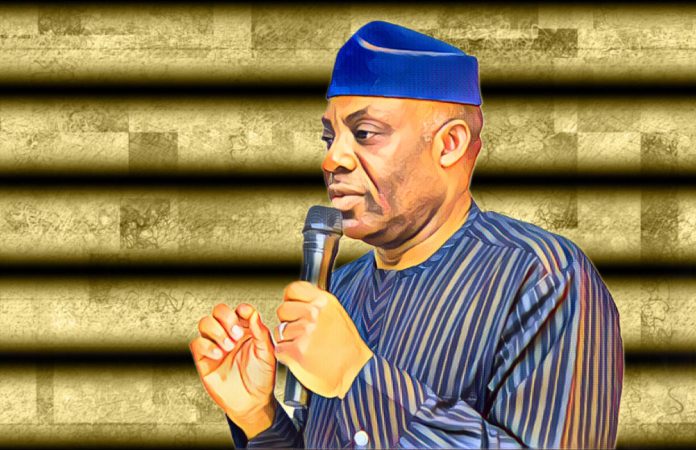
Education Minister Tunji Alausa disclosed the figure Tuesday at the inaugural Federal Ministry of Education Private Sector Breakfast Convening in Lagos, drawing on per capita spending calculations to frame the scale of what proper reintegration would cost. Moreover, he revealed that 25 percent of children aged 5 to 14 are currently outside the formal school system, with the figure climbing to 41 percent in the Northeast and Northwest, where insecurity and poverty have combined to hollow out attendance.
What government has already spent
Despite the funding gap, Alausa pointed to measurable progress under the Nigeria Education Sector Renewal Initiative. So far, the government has integrated 1 million children into formal education, trained 1,400 Tsangaya teachers, and mapped 32 million students across 221,000 schools in 21 states.
Additionally, the Nigeria Education Loan Fund has disbursed N128 billion in institutional fees, benefiting over 1.1 million students. On the skills side, the government has disbursed N10.6 billion to Technical and Vocational Education and Training centres and paid N3.4 billion directly to trainees, with 72,000 students currently enrolled through verifiable biometrics. Furthermore, over N156 billion has gone into rehabilitating 18 medical schools and engineering faculties nationwide.
Private sector as a necessary partner
Nevertheless, Alausa told business leaders that government investment alone cannot achieve the transformation Nigeria’s education sector needs. Consequently, the ministry is promoting the Global Partnership for Education Multiplier, which matches private contributions one-to-one with GPE and partner funds, effectively doubling every naira the private sector commits.
The economic argument for urgency is straightforward. Evidence presented at the roundtable showed that each additional year of schooling in Nigeria lifts individual earnings by 5.7 percent and raises productivity by 6 percent, making the Nigeria out-of-school children crisis not just a social emergency but an economic one.
Minister of State for Education Prof Suwaiba Ahmad reinforced the message, telling attendees that the private sector remained indispensable to expanding infrastructure and driving skills development at the scale the country needs.

