

Key points
-
Northern and Middle Belt leaders accuse the federal government of lacking political will to defeat terrorists.
-
Stakeholders call for prosecution of individuals financing and supporting terrorism networks.
-
Security experts warn prolonged inaction is eroding public trust in Nigeria’s security institutions.
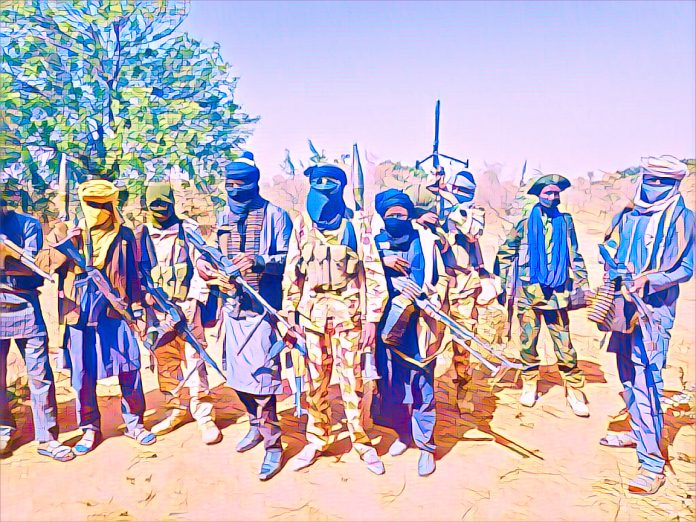
Several regional and civic groups across Nigeria have accused the federal government of lacking the political will to dismantle terrorist networks, urging authorities to move beyond rhetoric and prosecute those funding violent groups.
Their reactions followed claims by Kaduna-based Islamic scholar Sheikh Abubakar Gumi, who said the government knows the identities and locations of terrorists operating across the country.
Gumi made the remark during an interview with DRTV while responding to accusations that he maintains close contact with armed groups.
According to him, security agencies are already aware of the individuals involved. He said he has previously met with terrorists during negotiations alongside security officials, including police and military personnel.
The comments stirred debate among political leaders, security analysts and activists, many of whom said the statement reflects long-standing concerns about Nigeria’s approach to tackling insurgency and banditry.
Inaction raises questions of complicity
Prof. Benjamin Okaba, president of the Ijaw National Congress, described the allegation as serious and troubling. He said if authorities truly know the identities and hideouts of terrorists but have failed to act, it raises questions about possible complicity within the system.
Okaba said such perceptions weaken public confidence in the state and encourage citizens to resort to self-help security measures, including the rise of local vigilante groups.
“When citizens believe the government has information capable of stopping killings and kidnappings but chooses not to act, it erodes trust in public institutions,” he said.
Northern coalition calls for prosecution of sponsors
The Coalition of Northern Groups also urged the government to identify and prosecute those sponsoring terrorism across the country. Its national president, Jamilu Aliyu Charanci, said violent attacks in many communities persist because networks of financiers, informants and collaborators continue to operate with little accountability.
Charanci said Nigeria already has security institutions capable of handling the challenge but that stronger political commitment is needed to dismantle criminal networks.
“Recent comments attributed to Sheikh Gumi have once again drawn attention to concerns about sponsors and collaborators aiding terrorist and bandit groups,” he said.
Middle Belt Forum raises infiltration concerns
Dr. Bitrus Pogu, national president of the Middle Belt Forum, echoed similar concerns. He argued that security agencies are aware of the locations where armed groups operate but have not acted decisively.
Pogu said modern surveillance tools such as drones and satellite technology should make it easier for authorities to track the movements of armed groups hiding in forest areas.
He also warned that infiltration of security structures by sympathizers of extremist groups could be complicating counterterrorism efforts.
Experts stress political will and technology
Legal practitioner and former Ijaw Youth Council president Eric Omare said ending terrorism in Nigeria largely depends on the government’s willingness to confront it directly.
“In my opinion, the dividing line between terrorism and ending it lies in the political will of the government,” he said.
Security analyst Nasiru Braimah, a retired commander with the National Drug Law Enforcement Agency, said corruption and political interests have weakened efforts to dislodge armed groups entrenched across parts of northern Nigeria.
Meanwhile, the Northern Youth Council of Nigeria called for stronger coordination among security agencies and wider deployment of surveillance technology.
Its president, Isah Abubakar, said sustained intelligence gathering, community cooperation and prosecution of those aiding terrorists remain critical to restoring public confidence in the country’s security institutions.
Across the responses, stakeholders agreed on one point. They said Nigeria’s fight against terrorism will remain difficult unless authorities take decisive steps against the financiers and collaborators sustaining the violence.

