

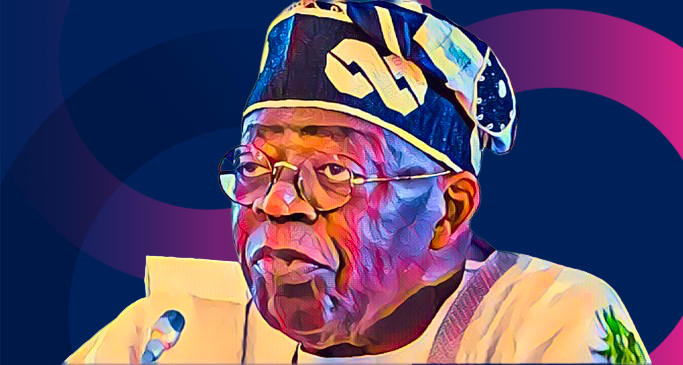
Recent proposals by prominent Nigerian politician Bola Tinubu regarding fuel import licenses and floating the naira simultaneously have sparked debate and scrutiny. While Tinubu aims to address economic challenges, critics argue that his approach may have unintended consequences.
Tinubu’s suggestion to issue import licenses for fuel is seen as a means to stimulate competition and reduce prices. However, critics warn that this move could lead to monopolistic practices and hinder market efficiency. Additionally, concerns have been raised about the potential for corruption and favoritism in the allocation of licenses.
Similarly, Tinubu’s proposal to float the naira, allowing its value to be determined by market forces, has drawn mixed reactions. While some view this as a step towards currency stability and economic reform, others fear it could exacerbate inflation and further strain the economy, particularly in the short term.
Amidst these debates, experts emphasize the importance of careful consideration and comprehensive planning when implementing significant economic policy changes. While Tinubu’s proposals aim to address pressing issues, the complexities of Nigeria’s economic landscape require nuanced solutions that consider various factors and stakeholders.
Ultimately, the path forward requires collaboration and consensus-building among policymakers, economists, and other stakeholders to ensure that reforms are effective, equitable, and sustainable. Despite the challenges ahead, there remains hope that constructive dialogue and pragmatic solutions will pave the way for a stronger and more resilient Nigerian economy.
Source: Business Day

