

KEY POINTS
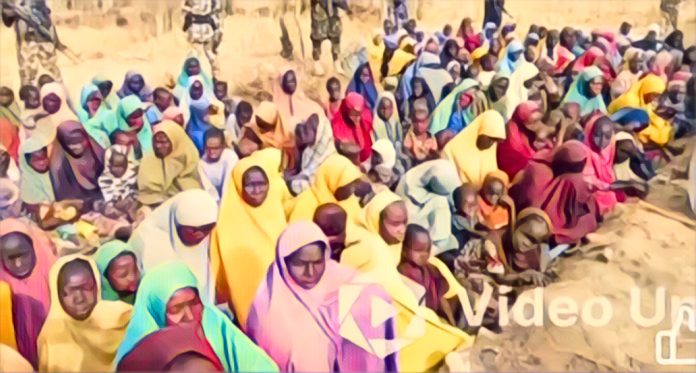
- A faction of Boko Haram agreed to release 50 women and children out of 416 abducted in Borno State.
- The process faces delays as captives have been scattered across multiple locations.
- The fate of the remaining hostages is uncertain, with fears of possible execution if negotiations fail.
A faction of Boko Haram, identified as Jama’atu Ahlis-Sunna Lidda’Awati Wal-Jihad (JAS), has agreed to release 50 women and children out of the 416 abducted victims in Borno State.
The development follows weeks of negotiations led by the Borno South Youth Alliance (BOSYA), raising cautious hope for families of the victims who have been in captivity under harsh conditions.
Despite the agreement, the insurgents warned that executing the release may prove difficult because the victims have been dispersed across different locations.
In a voice note, a representative of the group said the captives are spread out over long distances, making it nearly impossible to gather them quickly. Some were reportedly moved as far as 200 kilometres away, complicating coordination efforts.
This dispersion has significantly reduced the chances of a swift and smooth release process.
Conditions Attached to Release Effort
According to BOSYA President, Samaila Ibrahim Kaigam, the agreement comes with conditions. Families and well-wishers are expected to contribute funds toward securing the release of the 50 victims.
Although no fixed amount has been stated, the collected contributions will be presented to the group’s leadership for approval. Those who contribute may also have their relatives prioritised among those to be freed.
The arrangement marks a reduction from an earlier demand reportedly put at ₦5 billion.
While the possible release of 50 victims offers some relief, the fate of the remaining captives remains uncertain.
The insurgents reportedly warned that after releasing the selected group, others may either remain in captivity or face execution, especially if negotiations stall further. They also threatened that such acts could be recorded and publicised.
This has heightened fears among families and communities already devastated by the abductions.
The group had earlier issued a deadline to authorities, which has now elapsed, further complicating rescue efforts.
Previous reports indicated that the insurgents had threatened mass execution after declaring negotiations collapsed. In a video message, they insisted there would be no further discussions with the government, signalling a hardline stance.
The situation underscores the fragile nature of any ongoing engagement.

